 ultimate-guide
Electrical Panel Upgrades for Commercial Buildings
Table of Contents
- Why Commercial Buildings Need Electrical Panel Upgrades
- Signs a Commercial Building Needs an Electrical Upgrade
- Commercial Electrical Service Upgrade: Scope and Requirements
- Commercial Electrical Panel Upgrade Cost Breakdown
- Commercial Electrical Upgrade Planning and Timeline
- Phase 1: Assessment and load calculation (1-2 weeks)
- Phase 2: Permitting and utility coordination (2-4 weeks)
- Phase 3: Pre-installation planning and downtime scheduling (1-2 weeks)
- Phase 4: Installation and inspection (1-5 days, depending on scope)
- Phase 5: Final inspection and commissioning (1-2 weeks after installation)
- Realistic timeline summary
- Key Considerations During Panel Replacement
- Frequently Asked Questions
Last Updated: October 11, 2026
Why Commercial Buildings Need Electrical Panel Upgrades
Commercial electrical panel upgrades are essential for businesses that have outgrown their current electrical infrastructure or operate in aging facilities.
An undersized or outdated panel creates bottlenecks. New machinery, HVAC upgrades, EV charging stations, and advanced lighting systems demand more power than older systems provide.
Aging electrical systems pose safety risks. Panels installed 20-40 years ago weren't engineered for today's equipment, and older installations often fail to meet current safety standards.
Signs a Commercial Building Needs an Electrical Upgrade
Aging panels and service life
Most commercial electrical panels last 25-40 years. If your panel approaches or exceeds this lifespan, replacement becomes a risk management priority. Older panels use outdated technology and lack modern safety features.
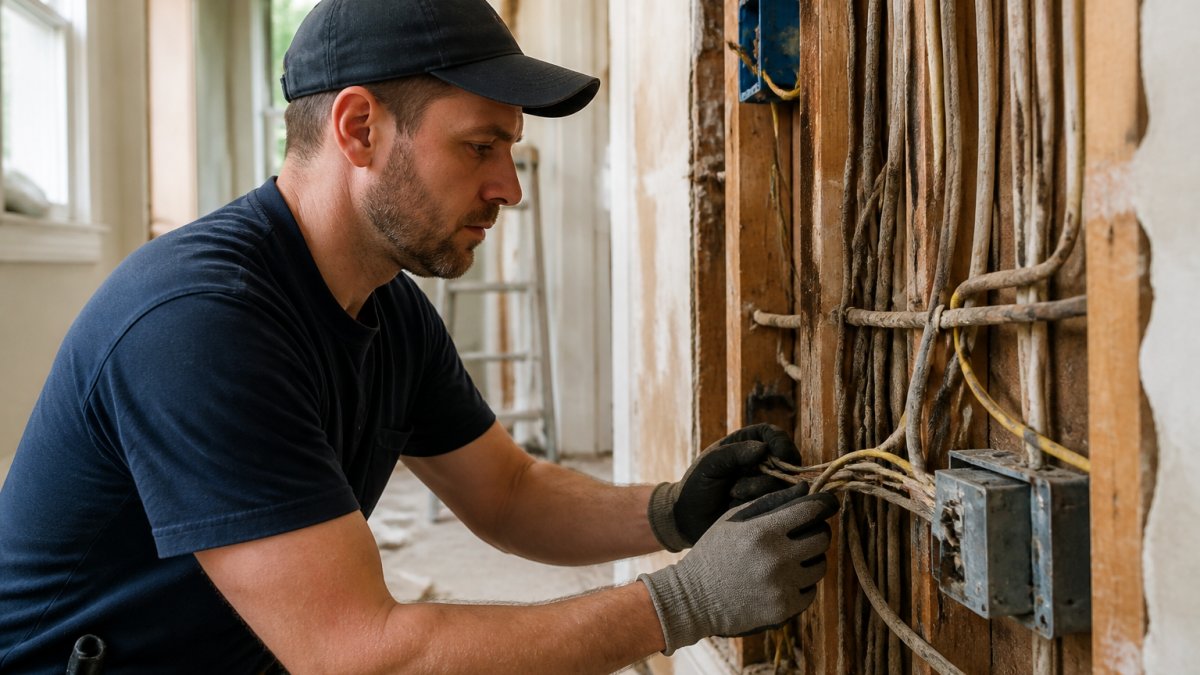
Common signs of an aging panel include visible corrosion, rust stains, discoloration around breaker switches, or a burning smell. A licensed electrician can determine whether age-related wear justifies an upgrade.
Capacity constraints and power demand
Your electrical panel has a rated capacity, typically 150-amp, 200-amp, 400-amp, or higher. When power demand approaches or exceeds capacity, you'll notice frequent breaker trips, flickering lights, or circuits that can't support simultaneous equipment operation.
A growing business often encounters capacity constraints first. A panel upgrade provides the headroom your operation needs without constantly resetting breakers or unplugging equipment.
Code compliance and safety hazards
Electrical codes are updated regularly to reflect safety research. Older systems may be outdated and create liability for safety inspections and insurance claims if an electrical fault causes damage or injury.
Fire risk increases significantly with an undersized or aging panel. A panel upgrade ensures your system meets current safety codes and provides proper overcurrent protection.
Commercial Electrical Service Upgrade: Scope and Requirements
200-amp versus three-phase power
Most small to mid-sized commercial buildings operate on single-phase 200-amp service. Larger facilities or manufacturing operations often require three-phase power and higher amperage ratings (300-amp, 400-amp, or 600-amp service).
Three-phase power is essential for large air compressors, industrial motors, welding machines, and heavy-duty machinery. Upgrading to three-phase service requires utility coordination and more substantial installation work than a simple panel replacement.
Load calculations and sizing
Proper panel sizing begins with a load calculation, a detailed assessment of every electrical load in your facility, current and anticipated. A licensed electrician evaluates existing equipment, planned additions, and future growth.
Load calculations follow NEC guidelines and account for demand factors, the reality that not all equipment runs simultaneously at full capacity. Professional load calculations ensure your new panel is appropriately sized for your actual needs.
Commercial Electrical Panel Upgrade Cost Breakdown
Electrical panel upgrade costs vary widely based on facility size, service capacity, existing infrastructure, and regional labor rates. Understanding the actual cost drivers helps you budget accurately and compare quotes.
Cost drivers: What actually determines your price
Panel and breaker hardware typically represents 15-25% of total project cost.
Labor is typically the largest cost component, 40-60% of total project cost.
Utility service upgrades are a major cost multiplier.
Permits and inspections typically cost $300-$1,500 depending on jurisdiction and scope. Plan for at least two inspections: rough and final.
Temporary power and business continuity measures add cost if your facility must remain operational.
Site conditions and access affect labor hours significantly.
Typical cost ranges by project scope
Small commercial upgrade (single-tenant office, retail space, or small warehouse; 200-amp single-phase panel replacement with no service line work): $3,500-$7,000 in total project cost.
Mid-size commercial upgrade (multi-tenant building or facility requiring 300-400-amp service; single-phase to three-phase conversion; or service line replacement): $8,000-$18,000. Utility coordination, additional inspection cycles, and more complex wiring drive costs higher.
Large commercial or industrial upgrade (warehouse, manufacturing facility, or multi-story building; 400-amp or higher service; three-phase power; temporary power arrangements; or coordination with multiple tenants): $20,000-$50,000 or more.
How to budget and compare quotes
When requesting quotes, ask for a detailed line-item breakdown including panel hardware, labor hours and rate, materials, permits, utility charges, temporary power, and timeline. Compare quotes on scope, not price alone. A lower bid may exclude permits or utility coordination. Budget 10-15% contingency for unforeseen conditions.
Commercial Electrical Upgrade Planning and Timeline
A commercial electrical panel upgrade involves multiple phases, each with distinct tasks, stakeholders, and timelines. Understanding the full process, from initial assessment through final commissioning, helps you plan realistically, coordinate with your utility company and tenants, and minimize operational disruption.
Phase 1: Assessment and load calculation (1-2 weeks)
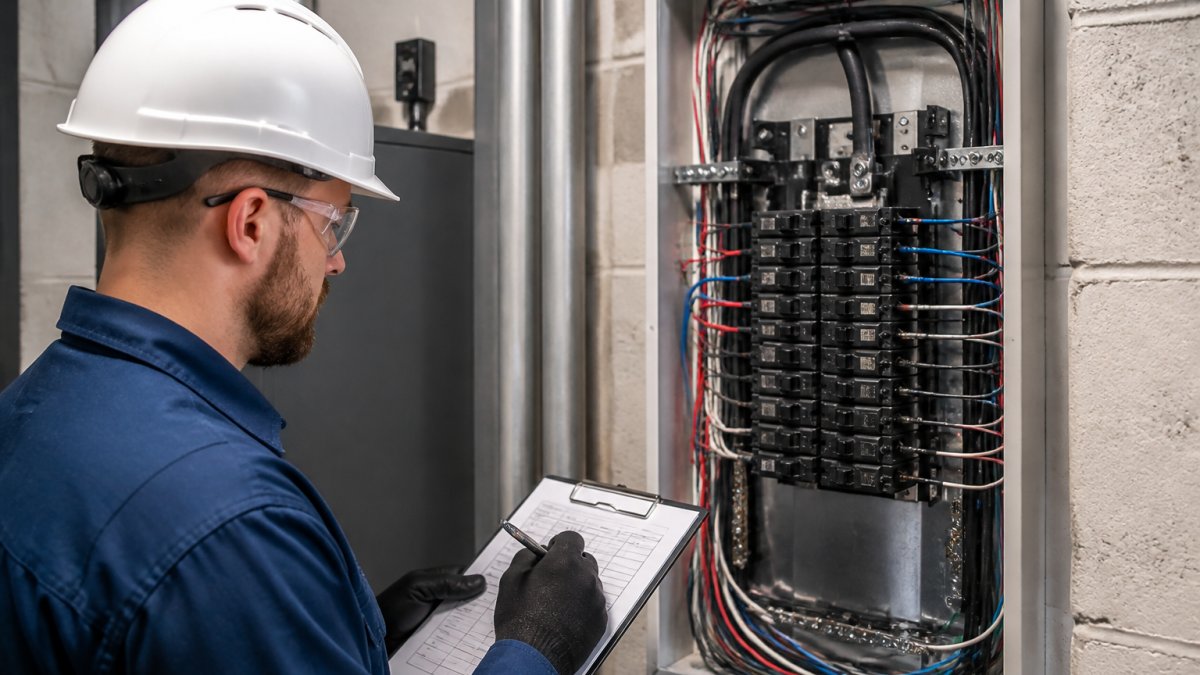
A licensed electrician inspects the existing panel, breakers, wiring, and service line; documents age, condition, and capacity; identifies hazards; and reviews all electrical loads. The electrician then performs a load calculation following NEC Article 220 guidelines, accounting for continuous loads, demand factors, diversity, and future growth allowance. This phase typically takes 1-2 weeks and results in a detailed report and cost estimate.
Phase 2: Permitting and utility coordination (2-4 weeks)
Your electrician submits plans and specifications to the local building department. The application includes the load calculation, panel specifications, wiring diagrams, and scope of work. Plan review typically takes 5-10 business days; plan for at least one revision cycle. If your upgrade requires service line work or three-phase conversion, the utility company must assess their infrastructure and schedule upgrades, which can take 2-4 weeks. Once the building department approves and the utility confirms readiness, you receive a permit.
Phase 3: Pre-installation planning and downtime scheduling (1-2 weeks)
Determine when the panel upgrade can occur with minimal operational impact: after-hours work (premium labor rates), facility closure, or phased work with temporary power. For facilities requiring continuous operation, a temporary generator ($500-$1,500 per day) or bypass feeder ($2,000-$5,000) maintains power to critical loads. In multi-tenant buildings, notify all tenants at least 2-4 weeks in advance. Identify critical systems (emergency lighting, fire alarms, security, refrigeration, data centers) that must remain operational.
Phase 4: Installation and inspection (1-5 days, depending on scope)
On the scheduled work date, your electrician:
Disconnects the existing service: The utility company or your electrician de-energizes the main service line. This is the point of no return, your facility loses power. Ensure all stakeholders are prepared.
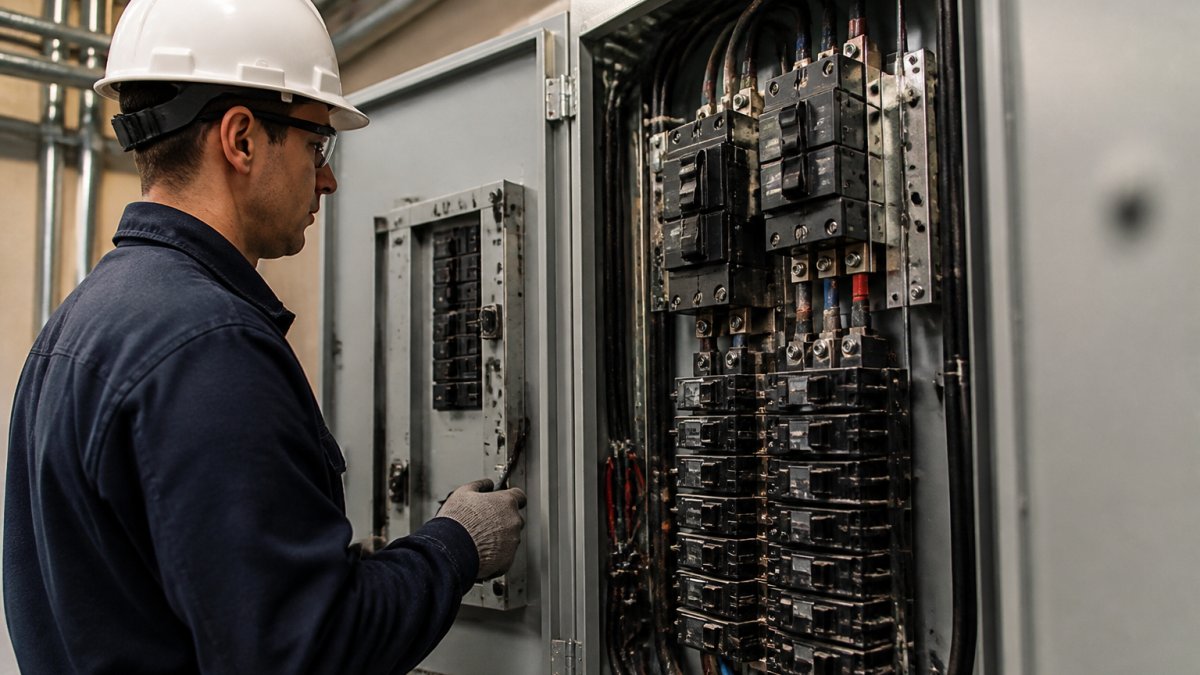
Removes the old panel: The electrician disconnects all breakers and circuits, removes the old panel, and disposes of it properly.
Reconnects circuits: Each circuit is reconnected to the appropriate breaker in the new panel.
Rough inspection: The building inspector visits to verify that the installation meets code.
Service restoration: Once the rough inspection passes, the utility company or electrician re-energizes the main service. Your facility regains power.
For a straightforward 200-amp panel replacement with no service line work, this phase takes 1-2 days.
Phase 5: Final inspection and commissioning (1-2 weeks after installation)
After the rough inspection passes and the system operates for a few days, the building inspector schedules a final inspection. They verify:
- All circuits operate correctly
- Breakers trip properly under load
- Grounding and bonding are secure
- Panel labeling is complete and accurate
- No code violations remain
Once the final inspection passes, the inspector issues a certificate of compliance or electrical permit sign-off. This document is essential for insurance, future sales, and liability protection.
Realistic timeline summary
- Assessment and load calculation: 1-2 weeks
- Permitting and utility coordination: 2-4 weeks (often the longest phase)
- Pre-installation planning: 1-2 weeks
- Installation and rough inspection: 1-5 days
- Final inspection and commissioning: 1-2 weeks after installation
Total project duration: 6-15 weeks from initial assessment to final sign-off. Utility coordination and permitting delays are the primary variables. Plan accordingly and avoid scheduling other critical facility work during this window.
Key Considerations During Panel Replacement
Overcurrent protection and fire risk reduction
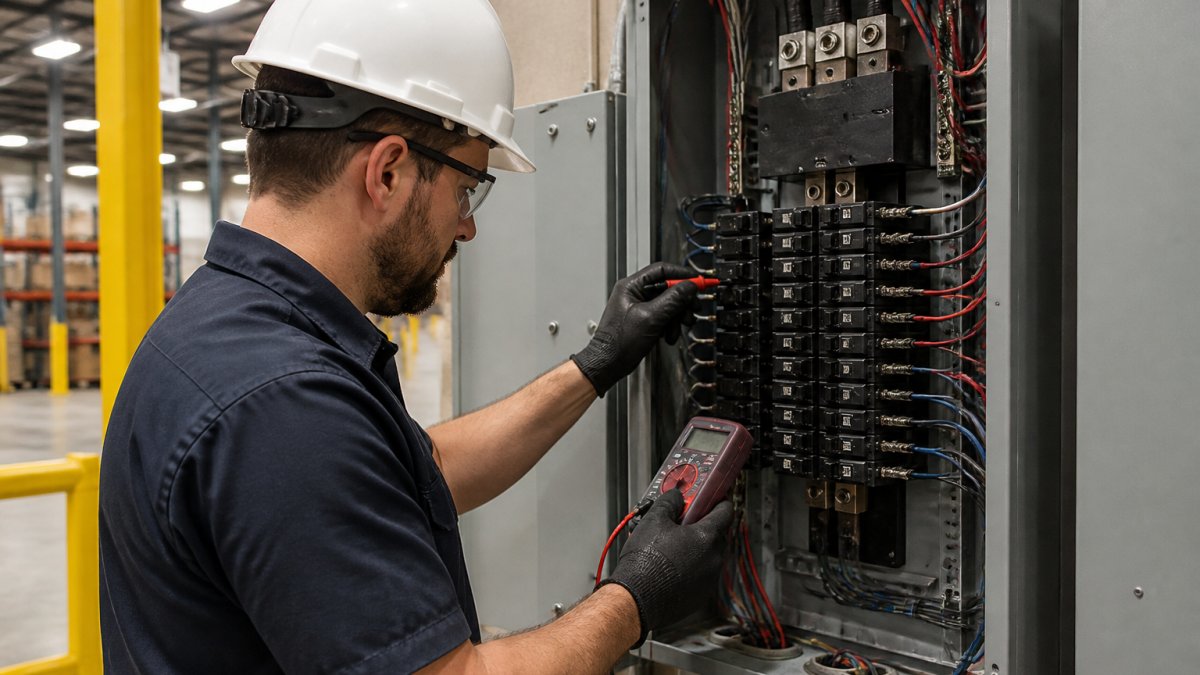
Modern electrical panels include advanced overcurrent protection, breakers that detect overloads and short circuits and trip instantly to prevent damage and fire. Older panels may use outdated breaker technology that responds more slowly or less reliably. Upgrading your panel significantly reduces fire risk by ensuring proper protection for every circuit in your facility.
Future growth and new equipment support
A properly sized electrical panel upgrade accommodates future growth without requiring another replacement in five years. When sizing your new panel, consider not just current needs but realistic expansion plans, additional workstations, new production equipment, EV charging infrastructure, or updated HVAC systems.
An upgrade that provides adequate capacity today and room for tomorrow's needs is an investment in your facility's long-term flexibility. This forward-thinking approach avoids the cost and disruption of frequent panel replacements.
Commercial electrical panel upgrades are a critical investment for businesses operating in aging facilities or facing capacity constraints. Our licensed and certified electricians provide detailed evaluations, realistic timelines, and personalized recommendations tailored to your facility's needs. Get a quote from Hriczak Electrical Contracting LLC today and discover how a panel upgrade can improve safety, reliability, and operational flexibility for your commercial property.
Frequently Asked Questions
What are the signs a commercial building needs an electrical panel upgrade?
Common warning signs include frequent circuit breaker trips, flickering lights, buzzing sounds from the panel, visible rust or corrosion, a panel over 25-30 years old, or inability to meet current electrical demand. If your building is expanding operations or adding new equipment, an electrical inspection can confirm whether your existing panel supports additional load. A licensed electrician can assess your panel and recommend upgrades based on your building's actual needs and code requirements.
How much does a commercial electrical panel upgrade cost?
Costs vary significantly based on panel capacity, whether you need three-phase power, local labor rates, permits, and site conditions. Small commercial upgrades (increasing capacity within existing service) typically cost less than full replacements. Factors affecting pricing include materials, electrical load calculations, code compliance work, and any necessary utility company coordination. For an accurate estimate tailored to your building, contact a licensed commercial electrician who can evaluate your specific requirements and provide a detailed quote.
Can a commercial electrical panel upgrade happen without shutting down the building?
Depending on the scope, upgrades can sometimes proceed with partial power management or staged work during off-hours. However, full panel replacements typically require a brief service interruption while the utility disconnects and reconnects the main service. Planning the upgrade during low-activity periods, coordinating with your power company, and working with an experienced commercial electrician minimizes operational disruption. Discuss your business continuity needs upfront so the contractor can develop a timeline that works for your operations.
What permits and inspections are required for a commercial electrical panel upgrade?
Most jurisdictions require electrical permits, inspections before and after the upgrade, and compliance with the National Electrical Code (NEC) and local building codes. Permit requirements vary by location and project scope. Your electrician should handle permit applications and coordinate with the local authority having jurisdiction (AHJ). After completion, a licensed inspector verifies that all work meets code standards. Skipping permits risks fines, insurance issues, and failure to pass future building inspections or sales transactions.
How long does a commercial electrical panel upgrade typically take?
Timeline depends on project scope. A straightforward capacity increase within existing service may take 1-2 days. A full panel replacement with new main service can take 3-7 days or longer if complications arise or if work must occur during limited hours to maintain business operations. Permit approval, utility coordination, and site-specific challenges can extend the schedule. Your electrician should provide a realistic timeline during the planning phase and communicate any delays promptly.
What is the difference between a panel upgrade and an electrical service upgrade?
A panel upgrade typically increases the capacity of your existing electrical panel (e.g., from 200 amps to 400 amps) without changing the main service from the utility. An electrical service upgrade involves replacing the main service line, meter, and utility connection, a more extensive project. Service upgrades are necessary when you need significantly higher power capacity, when switching from single-phase to three-phase power, or when the existing utility service is inadequate. A professional evaluation determines which approach your building needs.