 how-to
How to Hire a Commercial Electrical Contractor Near Me
Table of Contents
- What to Look for in a Commercial Electrical Contractor Near Me
- Commercial Electrical Contractor Qualifications You Should Verify
- Services a Commercial Electrician Should Offer Your Business
- How to Define Project Scope and Request a Commercial Electrical Estimate
- Commercial Electrical Contractor Cost: What Drives Your Final Price
- Commercial Electrical Inspection, Permits, and Code Compliance
- Conclusion
- Frequently Asked Questions
Last Updated: October 5, 2026
What to Look for in a Commercial Electrical Contractor Near Me
Finding a commercial electrical contractor near me starts with verifying three things before anything else: a current state license, active general liability and workers' compensation insurance, and a track record on projects similar to yours.
Most owners skip the paperwork check because the contractor seems friendly and the price sounds right. That is the expensive mistake.

Licensing, Insurance, and Credentials That Matter
Ask for the license number and look it up with the authority that issued it. A license proves the contractor passed a trade exam and carries the legal right to pull permits in your jurisdiction. Insurance matters just as much: if an uninsured worker is injured on your property, your business can absorb the liability.
Three documents to collect before work begins:
- State or municipal electrical license, verified directly with the issuing board
- Certificate of general liability insurance with your business named as additional insured
- Workers' compensation coverage for every employee who will set foot on site
Red Flags When Screening Local Contractors
The clearest warning sign is a contractor who wants to start immediately without a written scope or permit. Others include cash-only demands, no physical business address, and pressure to sign the same day.
Commercial Electrical Contractor Qualifications You Should Verify
Credentials separate a qualified professional from someone who simply owns tools. Beyond the license, look for documented experience with the specific systems your building uses: three-phase power, control panels, emergency lighting, fire alarm interfaces, and code-driven upgrades.
Ask directly whether the electricians on your job are employees or subcontractors. You have every right to know who is working on your property, and a reputable firm will answer without hesitation.
How to Verify Each Credential
Verification is a five-minute task per item, and it is the step most owners skip:
- License: Ask for the license number, then look it up on the state or municipal licensing board's online lookup. Confirm the license is active, in the correct classification (commercial vs. residential), and in the name of the company bidding, not just an individual employee.
- General liability insurance: Request a certificate of insurance (COI) naming your business as additional insured. Call the insurance agent listed on the COI to confirm the policy is current; certificates can be altered or expired.
- Workers' compensation: Ask for the workers' comp COI separately. In most states, a contractor with no employees may be exempt, but any crew on your site must be covered. If a worker is injured and the contractor is uninsured, your business can absorb the claim.
- Bonding: Many jurisdictions require a surety bond for licensed electrical contractors. Confirm the bond amount and that it is current.
A Practical Vetting Checklist
Use this before you sign anything:
- License number verified with the issuing authority, in the company's name
- General liability COI with your business named as additional insured
- Workers' compensation COI confirmed with the insurer
- Surety bond confirmed if required by your jurisdiction
- At least three commercial references you can call
What to Ask Before You Hire
A short interview separates organized contractors from disorganized ones:
- Crew availability: How many electricians will be on site, and when can they start?
- Project management: Who is your single point of contact, and how often will you get updates?
- Warranty: What is the warranty on labor and on materials, and in writing?
- Change orders: How are scope changes priced and approved before work proceeds?
- Communication: How do you handle after-hours questions or emergencies during the project?
A contractor who answers these clearly is a contractor who has done this before. A contractor who deflects is telling you something.
Services a Commercial Electrician Should Offer Your Business
A full-service commercial electrician covers more than repairs. The right provider handles business electrical services across installation, maintenance, and emergency response, so you are not juggling three vendors for one building.
Core services to expect:
- Electrical repair and troubleshooting, from failed circuits to flickering lighting
- Electrical upgrades and installations, including panel upgrades and new circuits
- Lighting installation, including parking lot lighting and interior retrofits
- Commercial remodeling and tenant improvements for offices, retail, and warehouse space
- Electrical maintenance programs that catch problems before they cause downtime
For a business, downtime is the real cost. A contractor who can respond at 2 a.m. is worth more than one who saves you a few dollars but arrives Tuesday.
How to Define Project Scope and Request a Commercial Electrical Estimate
A comparable bid starts with a written scope you control, not a number a contractor invents on the spot. Walk the property, list every task, and hand the same document to each bidder. When everyone prices the same work, the numbers actually mean something.
Include these in your scope document:
- Exact locations and quantities of new circuits, fixtures, or panels
- Whether permits and inspections are included or billed separately
- Working hours and any after-hours constraints
- Cleanup, disposal, and restoration responsibilities
- A required completion date and payment schedule
What a Comparable Bid Looks Like
A bid you can compare breaks the price into labor, materials, permits, and contingency. A single lump-sum figure with no breakdown is not a bid; it is a guess you cannot evaluate.
| Bid Element | What to Look For | Why It Matters |
|---|---|---|
| Labor | Hours estimated, crew size | Reveals realistic timeline |
| Materials | Brand and grade listed | Prevents cheap substitutions |
| Permits | Included or excluded | Avoids surprise fees later |
| Contingency | Percentage stated | Shows honesty about unknowns |
| Timeline | Start and finish dates | Protects your operations |
Commercial Electrical Contractor Cost: What Drives Your Final Price
Pricing depends on scope, building condition, and access, so no honest contractor quotes a firm number before seeing the site. What you can do is understand the drivers well enough to read a bid, compare two bids fairly, and spot a number that is too low to be real. The factors below move your commercial electrical contractor cost more than anything else.
The Cost Drivers, Explained
- Scope and complexity: A single dedicated circuit is a small job. A full service panel upgrade, a new subpanel, or a three-phase distribution change is a large one. The labor hours, permit scope, and inspection requirements scale with complexity, not just with the number of devices.
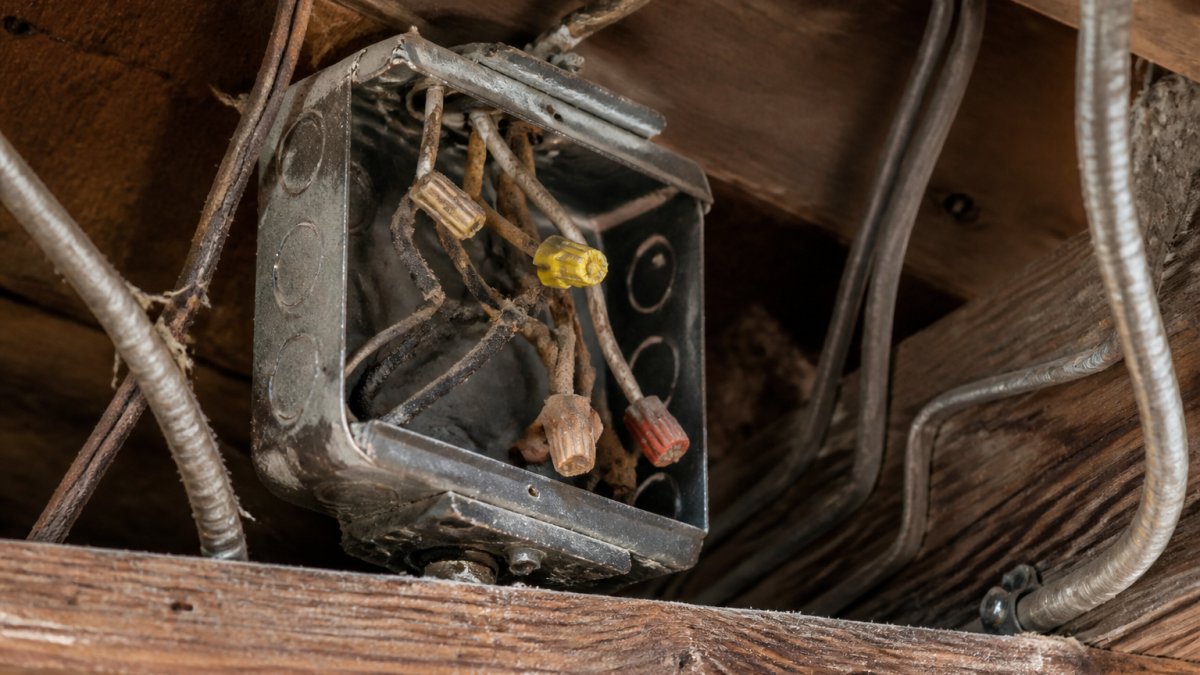
- Building age and existing wiring: Older systems often need correction before new work can be added, undersized feeders, ungrounded circuits, aluminum branch wiring, or panels with no spare capacity. A contractor who does not flag this during the site walk is either not looking or planning to surprise you later.
- Access and height: High ceilings, rooftops, parking lot poles, and occupied tenant spaces all add labor. A lift rental, a scissor lift, or a bucket truck is a real line item. So is the time to set up and move it.
- Permits and inspections: Required fees vary by jurisdiction and by scope. A panel upgrade, a new service, and a lighting retrofit may each trigger different permit types and different inspection schedules.
- After-hours scheduling: Night and weekend work protects your operations but costs more in labor premiums and coordination. If your business cannot shut down during the day, plan for this line item.
How to Request a Useful Estimate
A phone quote is not an estimate. To get a number you can actually compare:
- Walk the property with each bidder using the same scope document.
- Provide as-built drawings or a panel schedule if you have them. If you do not, say so, the contractor will need to trace circuits.
- State your operating constraints up front: hours you can shut down, areas that must stay live, and any tenant coordination.
- Ask for a line-item breakdown, labor, materials, permits, contingency, and schedule, not a single lump sum.
- Ask what is excluded. Exclusions are where surprise costs hide: patching, painting, disposal, temporary power, and fire alarm coordination are common ones.
- Ask for the estimate in writing with an expiration date. Material pricing and schedule availability both move.
Reading Two Bids Side by Side
When you have two or three bids, compare them on the same axes:
| Bid Element | What to Look For | Why It Matters |
|---|---|---|
| Labor | Hours estimated, crew size | Reveals realistic timeline |
| Materials | Brand and grade listed | Prevents cheap substitutions |
| Permits | Included or excluded | Avoids surprise fees later |
| Contingency | Percentage stated | Shows honesty about unknowns |
| Exclusions | Listed in writing | Prevents change-order disputes |
| Timeline | Start and finish dates | Protects your operations |
| Warranty | Labor and materials, in writing | Protects you after closeout |
Because every project differs, we provide a written estimate after a site walk rather than a phone quote. You deserve a number tied to actual conditions, not a guess.
Commercial Electrical Inspection, Permits, and Code Compliance
A commercial electrical inspection confirms that installed work meets the adopted electrical code, and permits are how that inspection gets scheduled. Skipping either one creates liability that follows the property, not the contractor.
The process works in a predictable order:
- Contractor pulls the permit before work begins
- Rough-in inspection happens before walls close
- Final inspection confirms the completed installation
- You receive documentation for your records
Ask for copies of every permit and inspection sign-off. Code requirements vary by state and municipality, so confirm local rules with your state electrical licensing board rather than relying on general advice.
Conclusion
The gap between a smooth commercial electrical project and a costly one comes down to vetting: verified credentials, a written scope, comparable bids, and documented inspections. Hriczak Electrical Contracting LLC brings over 18 years of experience, licensed and certified electricians, and 24-hour emergency service to every job, from panel upgrades to parking lot lighting and commercial remodeling. We provide personalized recommendations and written estimates so you know exactly what you are paying for before work starts.
Frequently Asked Questions
What qualifications should a commercial electrical contractor have?
A qualified commercial electrical contractor should hold a current state or local electrical license, carry general liability and workers' compensation insurance, and have verifiable experience with commercial systems, not just residential work. Ask for license numbers, proof of insurance, and references from similar commercial projects. Membership in trade organizations and ongoing code training are good signs. In Pennsylvania, licensing requirements vary by municipality, so confirm the contractor is licensed in your specific jurisdiction before signing anything.
What should a commercial electrical estimate include?
A solid commercial electrical estimate should break down labor, materials, permits, inspection fees, and any equipment costs separately. It should list the specific scope of work, timeline, and payment schedule. Ask whether the estimate accounts for potential code upgrades discovered during the job and how change orders are handled. A clear estimate protects you from surprise charges and makes it easier to compare bids from multiple contractors on equal terms.
How do I compare commercial electrical contractor quotes fairly?
To compare quotes fairly, give every contractor the same written scope of work, including square footage, equipment specs, and timeline expectations. Then compare line items, not just totals. A lower bid may exclude permits, disposal fees, or after-hours work. Check whether each quote includes a commercial electrical inspection and whether the contractor will handle the permit process. Ask each contractor to clarify anything vague in writing before you decide. The lowest number is not always the lowest final cost.
How long does commercial electrical work usually take?
Timelines depend on scope. A simple lighting upgrade or panel replacement may take one to three days, while a full tenant improvement or service upgrade can run several weeks. Factors include permit approval times, inspection scheduling, material lead times, and whether work must happen after business hours. Ask your contractor for a written schedule with milestones, and confirm how they will phase the work to keep your business operating during the project.