 how-to
How to Identify Outdated Wiring in Old Homes
Table of Contents
- Start With the Clues: Age, Panel, and Outlets
- Common Types of Wiring in Old Homes
- Signs of Outdated Electrical Wiring You Can See and Smell
- What an Old House Electrical Inspection Covers
- When to Replace Old Electrical Wiring
- DIY vs. Licensed Electrician: Where to Draw the Line
- Conclusion: Act on What You Find
- Frequently Asked Questions
Last Updated: October 9, 2026
Start With the Clues: Age, Panel, and Outlets
If you own a home built before 1970, there is a real chance it still has outdated wiring hidden behind the walls. Knowing how to identify outdated wiring in old homes starts with three clues: the year your house was built, the type of electrical panel in the basement, and the look of your outlets. This guide from Hriczak Electrical Contracting LLC walks you through each one.
Older homes in the Lehigh Valley often carry wiring that was fine for the 1950s but cannot handle today's electrical load. Modern households run far more power than builders ever planned for. That gap is where fires start.
Start your check with these basics:
- Build year: Homes built before 1950 may have knob-and-tube wiring
- Panel type: Fuse boxes and older breaker panels signal aging systems
- Outlet style: Two-prong outlets without a ground slot point to old circuits
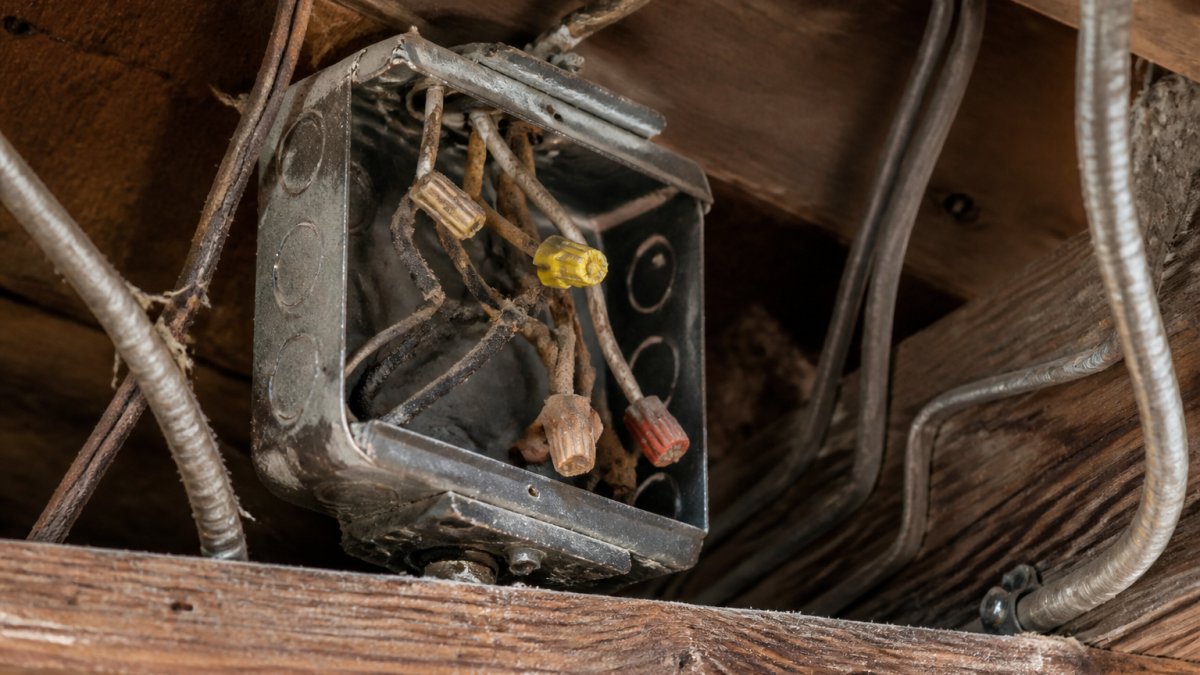
- Wire look: Cracked, cloth-covered, or silver-colored wire is a red flag
The U.S. Fire Administration home electrical fire data notes that electrical failures remain a leading cause of home fires. Age alone does not prove a problem, but it tells you where to look.
Common Types of Wiring in Old Homes
Three wiring types show up again and again in older houses. Each has its own risks and its own timeline.
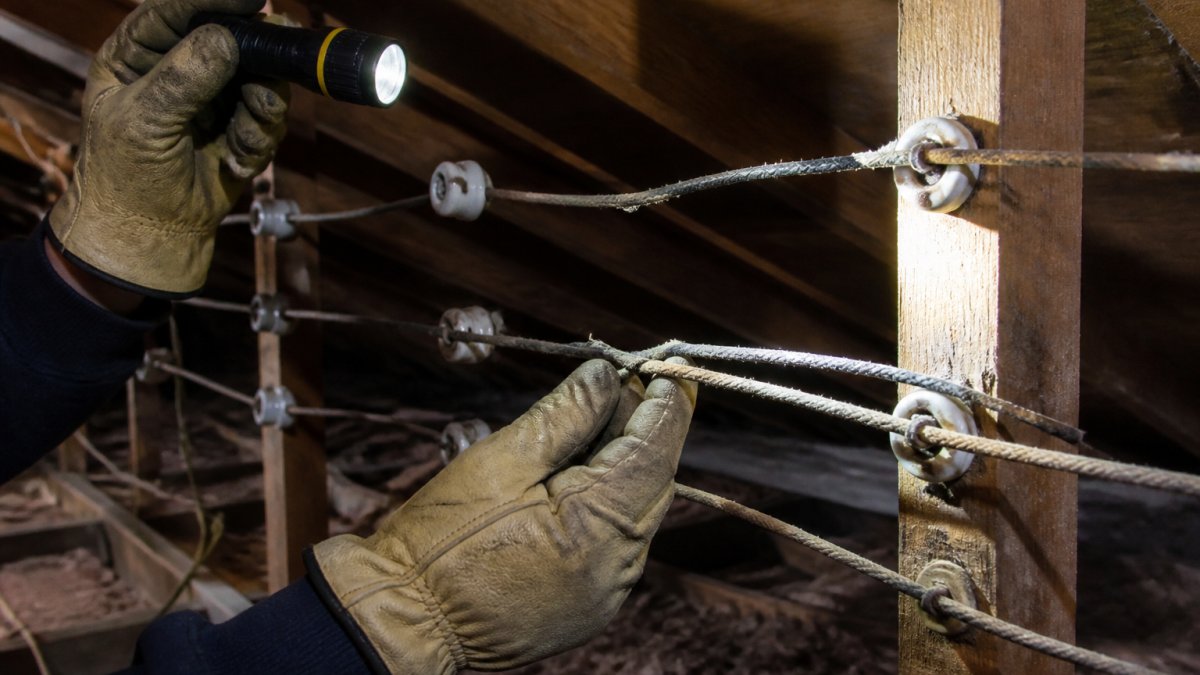
Knob-and-Tube Wiring
Knob-and-tube wiring is an early electrical system that runs wires through ceramic knobs and tubes instead of cables. It has no ground wire, and the insulation becomes brittle with age. This type was common before 1950.
The biggest problem is heat. Knob-and-tube wires sit in open air and can be buried under attic insulation, which traps heat and raises fire risk.
Aluminum Branch-Circuit Wiring
Aluminum branch-circuit wiring uses aluminum conductors instead of copper for outlets and switches. It was common in the 1960s and 1970s. Aluminum expands and contracts more than copper, which loosens connections over time.
Loose connections mean arcing, and arcing means fire. Homes with this wiring often need special connectors or a full rewire.
Rubber and Fabric-Insulated Cable
Rubber and fabric-insulated cable was used in the early to mid-1900s. The outer covering dries out and crumbles. Once the insulation fails, bare wires can touch and spark.
| Wiring Type | Typical Era | Main Risk | Ground Wire |
|---|---|---|---|
| Knob-and-tube | Before 1950 | Brittle insulation, buried in insulation | No |
| Aluminum branch circuit | 1960s-1970s | Loose connections, arcing | Sometimes |
| Rubber and fabric cable | Early 1900s | Crumbling insulation | No |
Signs of Outdated Electrical Wiring You Can See and Smell
You do not need to open a wall to spot trouble. The signs of outdated electrical wiring often show up in plain sight or in the air.
Watch for these signals:
- Flickering or dimming lights when appliances turn on
- Warm or discolored outlet covers that feel hot to the touch
- A burning or fishy smell near outlets or the panel
- Buzzing or crackling sounds from switches
- Frequent tripped breakers or blown fuses
- Sparks when you plug something in
The burning smell is the one to take most seriously. It often means insulation is overheating. If you notice it, cut power to that circuit and call an electrician right away.
What an Old House Electrical Inspection Covers
An old house electrical inspection is a full review of your home's wiring, panel, outlets, and grounding by a licensed electrician. It finds hazards before they cause a fire.
A proper inspection covers:
- The main panel and its capacity
- Wire type and condition throughout the home
- Grounding and bonding
- Outlet and switch condition
- GFCI protection in kitchens and baths
- Smoke and carbon monoxide alarm wiring
The National Fire Protection Association electrical safety resources recommends regular electrical inspections for older homes. We agree. An inspection gives you a clear picture of what is safe and what needs work.
At Hriczak Electrical Contracting LLC, our licensed electricians have over 18 years of experience inspecting older homes. We tell you what is urgent, what can wait, and what it will take to fix each item.
When to Replace Old Electrical Wiring
You should replace old electrical wiring when it shows damage, cannot handle your load, or fails to meet current safety codes. Partial repairs work for some homes. Others need a full rewire.
Here is how to decide:
- Full rewire: knob-and-tube, aluminum branch circuits, or widespread damaged insulation
- Partial repair: one damaged run, a single bad outlet, or an undersized panel
- Panel upgrade only: old wiring is sound but the panel cannot handle demand
The U.S. Consumer Product Safety Commission electrical guidance warns that older wiring systems may not include safety features required today. Grounding and GFCI protection are not optional in modern homes.
DIY vs. Licensed Electrician: Where to Draw the Line
Call a licensed electrician for anything behind the wall, inside the panel, or involving a wire connection. You can handle simple, safe checks on your own.
Safe DIY tasks:
- Testing outlets with a plug-in tester
- Resetting a tripped breaker
- Replacing a light bulb or cover plate
Leave these to a pro:
- Opening the panel
- Replacing outlets or switches
- Any work on knob-and-tube or aluminum wiring
- Adding new circuits
Electrical work is one of the most dangerous home repairs. A wrong connection can start a fire that smolders for hours.
Conclusion: Act on What You Find
If your home was built before 1970, do not wait for a flickering light to become a fire. Start with the clues, note the warning signs, and book an inspection. When you need safe, code-compliant repairs, Hriczak Electrical Contracting LLC is ready to help. Our licensed electricians bring over 18 years of experience, 24-hour emergency service, and honest recommendations for your budget.
Frequently Asked Questions
What are the signs of outdated wiring in an old home?
Watch for flickering or dimming lights, warm or discolored outlet covers, a burning smell near switches, and breakers that trip repeatedly. Two-prong outlets with no ground, exposed ceramic knobs in the basement, or a fuse box instead of a breaker panel also point to outdated wiring. Any of these warrant an electrician's evaluation before the problem grows.
How can I tell what type of wiring my old house has?
Start at the electrical panel and note whether it uses fuses or breakers, then look for exposed wiring in the basement, attic, or garage. Ceramic knobs with cloth-covered wires indicate knob-and-tube. Dull silver conductors on branch circuits suggest aluminum. Cracked rubber or fabric insulation points to mid-century cable. A licensed electrician can confirm the type during an old house electrical inspection.
Is knob-and-tube wiring dangerous?
Knob-and-tube wiring is not automatically dangerous if it is undisturbed and in good condition, but its age and design create real risks. The insulation becomes brittle, the system has no ground conductor, and it was never built for the electrical loads modern homes draw. Add insulation blown over the wires or a DIY splice, and the fire risk rises. An electrician should assess it before you add any new load.
Should old wiring be replaced if it still works?
Working wiring is not the same as safe wiring. If an inspection finds aluminum branch circuits without approved connectors, brittle insulation, or a fuse panel that cannot handle today's appliances, replacement is the safer path. Partial upgrades can address the worst sections first, so ask an electrician which circuits pose the greatest risk and prioritize those.
Old wiring does not fix itself, and the risk only grows as your electrical needs rise. Hriczak Electrical Contracting LLC offers licensed electricians, 24-hour emergency service, and personalized recommendations for every home. Get a quote from Hriczak Electrical Contracting LLC and make your old home safe.