 How-to
Is Knob and Tube Wiring Dangerous for Modern Appliances?
Last Updated: October 23, 2026
Quick Summary
Yes, knob and tube wiring is dangerous for most modern appliances because it has no ground wire and was built for a much lighter electrical load than today's homes carry. High-draw appliances like ranges, dryers, space heaters, and hair dryers can overheat the circuit, while low-draw devices such as LED bulbs and chargers are usually fine.
- A standard 15-amp circuit delivers 1,800 watts, but the 80% rule limits continuous draw to 1,440 watts.
- A 1,500-watt space heater alone consumes 12.5 amps, most of a 15-amp circuit's continuous capacity.
- Three-prong-to-two-prong adapters and ungrounded three-prong outlets do not restore a ground path.
- Warning signs include warm outlet covers, burning smells, flickering lights, and cracked insulation.
- An inspection should end with a written report, photos, and two priced options: targeted repair and full rewiring.
Table of Contents
- Knob and Tube Wiring and Modern Appliances: The Short Answer
- How Knob and Tube Wiring Works and Why It Struggles With Modern Loads
- Appliance by Appliance: Where the Real Risk Lives
- Signs of Faulty Knob and Tube Wiring You Should Never Ignore
- What a Knob and Tube Wiring Inspection Actually Involves
- Knob and Tube Wiring Replacement Cost and What Drives the Price
- Insurance, Resale, and Code: The Paper Trail Homeowners Face
- Frequently Asked Questions
Knob and Tube Wiring and Modern Appliances: The Short Answer
Is knob and tube wiring dangerous for modern appliances? In most cases, yes, the risk is real.
The International Association of Certified Home Inspectors' guide to knob-and-tube wiring makes an important point that most articles skip. Properly maintained knob and tube is not inherently dangerous.
That distinction matters. It means the answer isn't always "rewire the whole house." It means you need to know which appliances are safe and which ones are pushing a 100-year-old circuit past its limit.
How Knob and Tube Wiring Works and Why It Struggles With Modern Loads
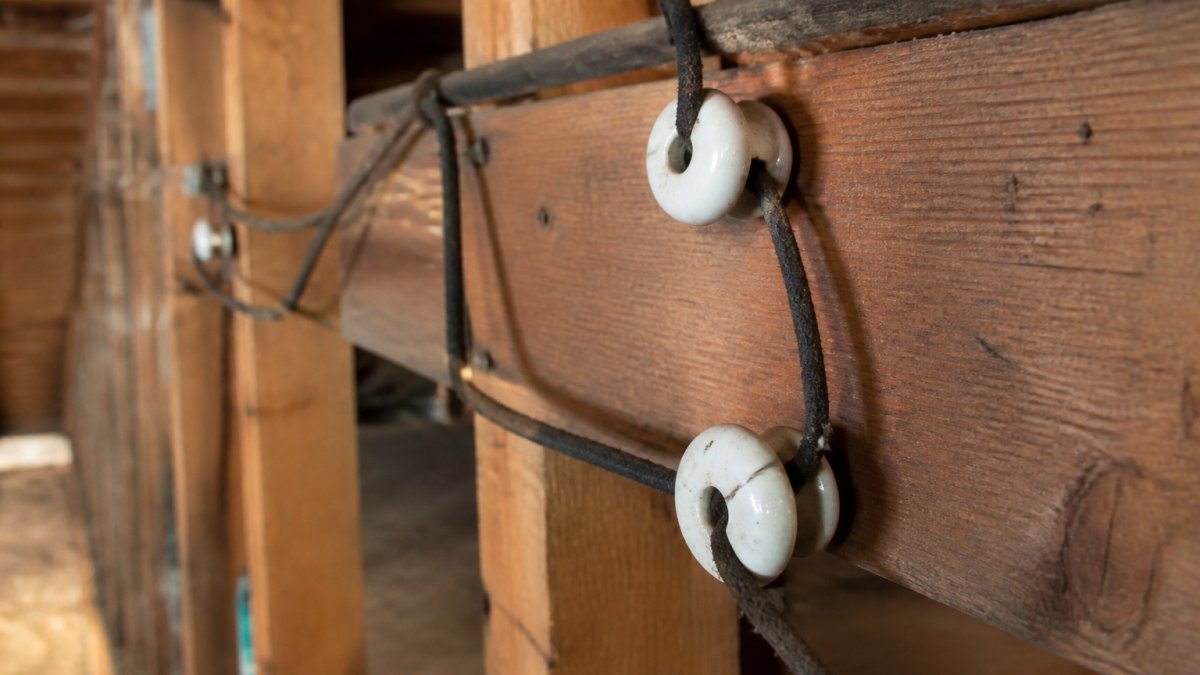
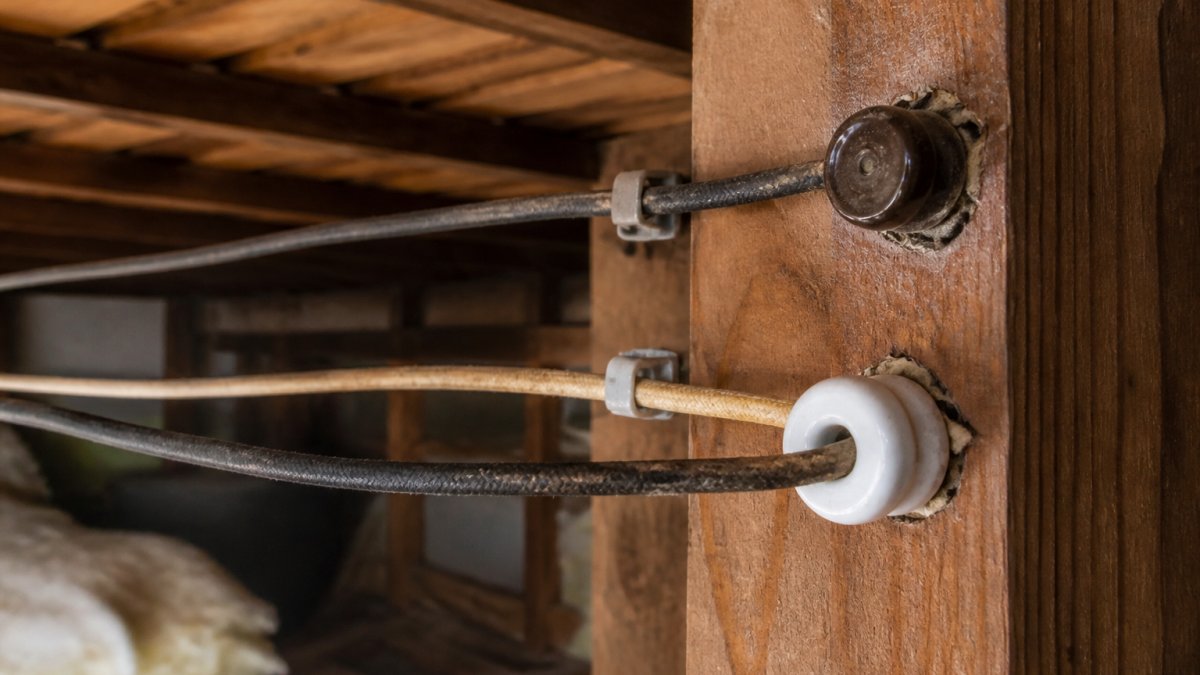
Knob and tube wiring is an early electrical system that runs single conductors through ceramic knobs and tubes, keeping the wires separated and away from wood framing.
The original design assumed a light electrical load: a few lights, maybe a radio.
Here's where the problems stack up:
- No grounding. Three-prong appliances have nowhere to send stray current.
- Brittle insulation. The cloth and rubber covering cracks with age and heat.
- Loose connections. Spliced and altered wiring is common after decades of renovations.
The Center for Energy and Environment's guidance on knob-and-tube wiring notes that the system was built for a light load and does not meet modern electrical safety codes.
Appliance by Appliance: Where the Real Risk Lives
Appliance compatibility comes down to two questions: how much current does the appliance draw, and does the circuit provide a ground path? Most guides treat "modern appliances" as one big category. That's a mistake.
A standard 15-amp, 120-volt circuit delivers a maximum of 1,800 watts, and the National Electrical Code's 80% continuous-load rule means you should plan for no more than 1,440 watts of continuous draw on that circuit.
High-Draw Appliances That Push the Limits
These are the appliances we flag first during an inspection. Each one either pulls heavy current, runs for long periods, or needs a ground connection for safety.
- Electric ranges and ovens. A typical electric range draws 30 to 50 amps at 240 volts and requires a dedicated 240-volt circuit with a grounding conductor. Knob-and-tube wiring cannot supply this; a range on knob and tube is almost always a sign of an improper later addition.
- Clothes dryers. Electric dryers typically draw 30 amps at 240 volts and run for an hour or more per cycle. Like ranges, they require a dedicated grounded circuit.
- Space heaters. A 1,500-watt space heater alone consumes 12.5 amps at 120 volts, which is most of a 15-amp circuit's continuous capacity. Running one for hours on a shared knob-and-tube circuit with brittle insulation and loose connections is one of the fastest ways to overheat wiring inside a wall.
A common pattern is that anything with a heating element or a large motor belongs on a dedicated, grounded circuit. Running it on knob and tube invites overheating at the connections, which is where fires typically start.
Low-Draw Devices That Are Usually Fine
Not every modern device is a problem. These draw little current and don't need a ground path to operate safely:
- LED light bulbs and lamps (typically 5 to 15 watts each)
- Phone and laptop chargers (typically under 100 watts)
- Televisions and streaming devices (typically 50 to 200 watts)
That doesn't make the circuit safe by default. It means the appliance itself isn't the stress point. The wiring condition still decides whether the circuit is sound.
The Adapter Trap
Two-prong outlets on knob-and-tube circuits invite a specific mistake: using a three-prong-to-two-prong adapter, or replacing a two-prong outlet with a three-prong outlet without running a ground. Neither restores a ground path. The adapter's grounding tab is useless unless it is physically connected to a grounded box or conductor, which knob-and-tube systems do not have. Replacing the outlet without a ground creates a false sense of safety: the appliance appears grounded, but stray current has nowhere to go.
Signs of Faulty Knob and Tube Wiring You Should Never Ignore
Knowing the signs of faulty knob-and-tube wiring lets you act before a small problem becomes a house fire. Watch for these:
- Warm or discolored outlet covers. Heat at the outlet means resistance at the connection.
- A burning smell near outlets or switches. Stop using the circuit and call an electrician.
- Flickering lights when appliances cycle on. A sign the circuit is overloaded.
- Cracked or crumbling insulation. Visible brittleness on exposed wiring in attics or basements.
- Two-prong outlets with no ground. Common, but it limits what you can safely plug in.
- Splices outside junction boxes. Altered wiring is a red flag for amateur work.
- Wiring buried under attic insulation. Trapped heat is a genuine fire hazard.
If you spot any of these, treat it as urgent. The Electrical Safety Foundation's home electrical safety resources recommends professional inspection whenever wiring shows signs of wear or overheating.
What a Knob and Tube Wiring Inspection Actually Involves
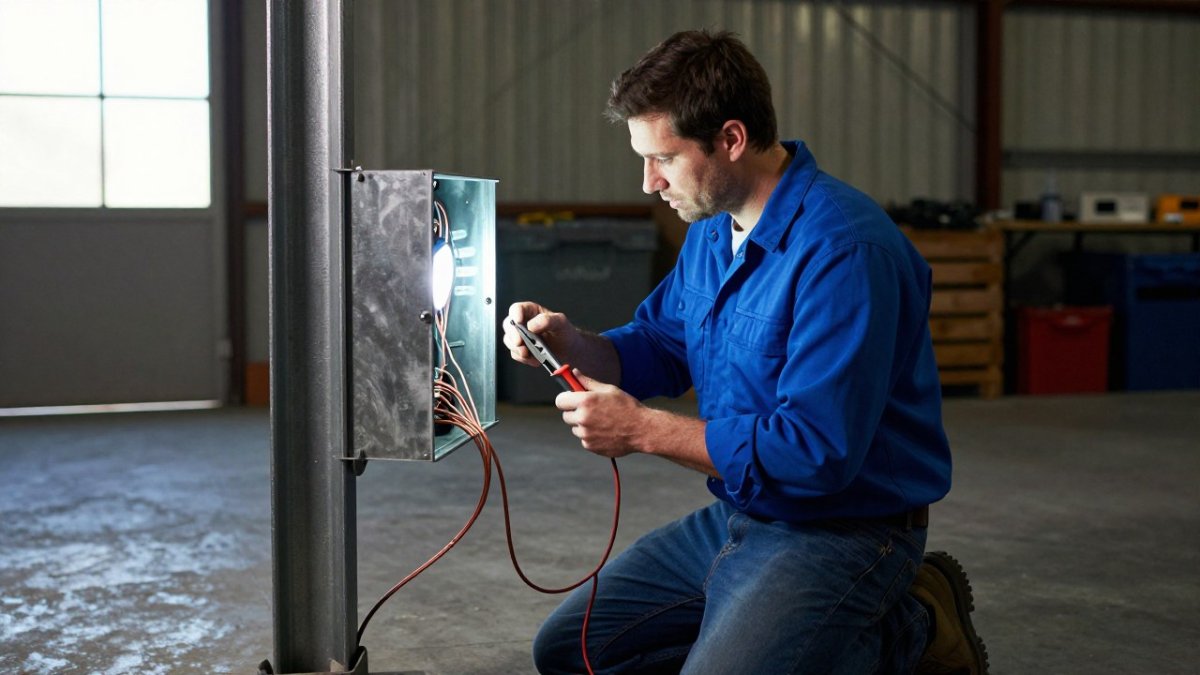
A knob-and-tube wiring inspection is a hands-on assessment of the wiring's condition, not just its presence. A qualified electrician opens accessible areas, tests the circuits, and checks the connections. Expect the inspection to cover:
- Attic, basement, and crawlspace wiring runs
- Insulation condition on exposed conductors
- Junction boxes and any spliced connections
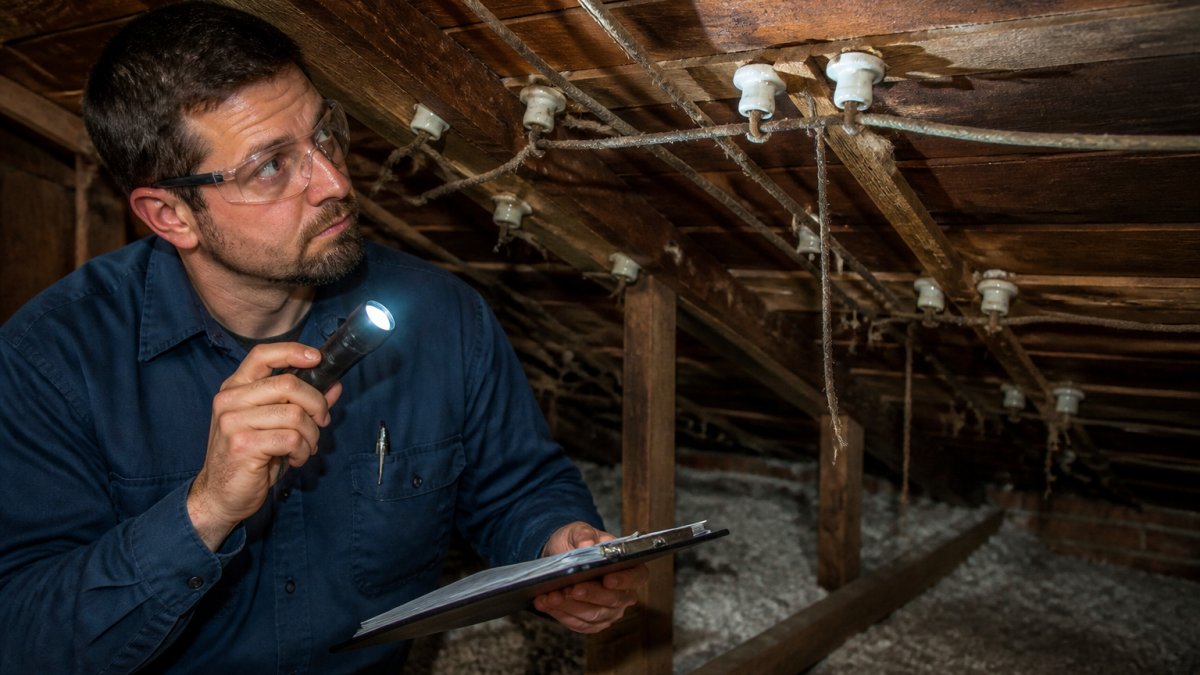
The goal is a clear answer to one question: is this wiring sound enough to keep, or has it reached the point where replacement is the safer call?
What to Do Immediately If You Spot Warning Signs
If you notice hot outlet covers, a burning smell, flickering lights when appliances cycle on, or visible cracked insulation, act in this order:
- Stop using the affected circuit. Unplug appliances on that circuit and turn the breaker off if you can identify it safely.
- Do not reset a breaker that trips repeatedly. A breaker that trips is doing its job; repeated resets can mask a failing connection.
- Call a licensed electrician the same day. Burning smells and hot outlets are urgent, not "next month" problems.
- Do not open walls or attempt repairs yourself. Knob-and-tube wiring is often still energized in unexpected places.
- Document what you observed. Photos and notes help the electrician and are useful for insurance later.
The Inspection-to-Decision Process
An inspection is only useful if it leads to a clear decision. Here is the process we walk homeowners through:
- Schedule a licensed electrician, not a general handyman. Ask specifically whether they have experience with knob-and-tube wiring and whether they will provide a written report.
- Request a circuit-by-circuit assessment. The report should identify which circuits are sound, which are deteriorated, and which are overloaded or improperly altered.
- Ask for photos of every accessible wiring run. Photos document condition on the inspection date and support insurance and resale conversations.
- Get a written scope of work with two options. A targeted repair scope (address dangerous circuits, add grounding where feasible, correct improper splices) and a full rewiring scope, each with a firm price.
- Compare the options against your plans. If you are selling soon, a targeted repair with documentation may satisfy a buyer or insurer. If you plan to stay and add appliances or renovate, full rewiring is usually the better long-term investment.
- Confirm permit and inspection requirements with the local authority having jurisdiction. Requirements vary by jurisdiction, and the electrician should pull the permit.
Knob and Tube Wiring Replacement Cost and What Drives the Price
Knob-and-tube wiring replacement cost depends on how much of the system needs to come out. There's no single figure, and any contractor who quotes one over the phone is guessing. What drives the price:
- Square footage and number of circuits being replaced
- Access difficulty, including finished walls and attics
- Whether the panel is upgraded at the same time
We recommend getting a firm written quote after an inspection, not a phone estimate. A partial replacement that addresses the dangerous circuits is often possible, which is the question most homeowners ask us first.
Insurance, Resale, and Code: The Paper Trail Homeowners Face
Insurance and resale are where knob and tube wiring quietly costs homeowners money.
Modern electrical codes don't approve new knob-and-tube installations, and an inspection report that flags the wiring can stall a closing. Having documentation of an inspection and any upgrades ready is the practical defense.
At Hriczak Electrical Contracting LLC, our licensed and certified electricians handle inspections, partial rewiring, and full replacements.
Frequently Asked Questions
Can modern appliances overload knob and tube wiring?
Yes, and it's the most common way this wiring becomes dangerous. Knob and tube wiring was designed for a light electrical load, as the Center for Energy and Environment notes, and a single 20-amp circuit may now feed a microwave, air fryer, and coffee maker at once. When a circuit draws more current than its conductors were sized for, the wires heat up, insulation degrades faster, and the fire hazard grows. The fix isn't always a full rewire, but the circuit load needs to be assessed by a licensed electrician before you add anything new.
How can you tell if knob and tube wiring is unsafe?
Look for signs of faulty knob and tube wiring: brittle or cracked insulation, wires buried under attic or wall insulation, scorch marks at outlets, warm faceplates, flickering lights when appliances cycle on, and any spliced or altered wiring. The International Association of Certified Home Inspectors notes that improper modifications and added building insulation are what turn this wiring into a hazard. Age alone doesn't prove it's unsafe, so a proper inspection is the only way to know for sure.
Does knob and tube wiring need to be replaced, or can you repair just the dangerous parts?
Partial repair is sometimes possible. If the conductors and insulation are intact in accessible areas, an electrician can replace specific runs, add GFCI protection, and remove insulation contact. But knob and tube wiring replacement cost scales with how much of the system is compromised, and hidden sections inside walls can't be fully evaluated without opening them. A licensed electrician should document what's accessible, flag what isn't, and give you a firm scope before any work begins.
Can you get homeowners insurance with knob and tube wiring?
Many insurers will decline a policy or charge a higher premium when knob and tube wiring is present, and some require a documented inspection or partial replacement before binding coverage. The lack of a ground wire and the fire hazard associated with aging insulation are the usual sticking points. If you're buying an older home, get the wiring inspected before closing and ask the insurer in writing what they'll require. That conversation is cheaper than discovering the problem after you've signed.
When did electricians stop using knob and tube wiring?
Knob and tube wiring fell out of use in the 1940s and 1950s as grounded cable systems became standard, so any home built before roughly 1950 may still contain it. The outdated design lacks a ground wire, can't serve three-prong appliances safely, and doesn't meet modern electrical codes. That doesn't automatically mean every installation is dangerous, but it does mean the system was never built for today's electrical load and deserves a professional inspection.
Knob and tube wiring and modern appliances are a risky combination, but the risk is manageable once you know which circuits and appliances are the problem. If your home has older wiring and you're unsure where it stands, don't guess. Hriczak Electrical Contracting LLC offers safety-focused inspections, partial rewiring, and full replacements, backed by over 18 years of experience and 24-hour emergency service. Get a quote and find out exactly what your wiring can safely handle.