 comparison
Standby Generator vs Portable Generator Pros: 2026 Guide
Table of Contents
- Standby vs Portable Generators: Which Backup Power Fits Your Home?
- Upfront Cost and Installation Requirements
- Standby Generator Pros and Cons
- Portable Generator Pros and Cons
- Standby Generator Sizing for Home: A Practical Load Worksheet
- Portable Generator Transfer Switch: Safe Connection Options
- Total Cost of Ownership Over Several Years
- Which Generator Fits Your Outage Scenario?
- Frequently Asked Questions
Last Updated: October 14, 2026
Standby vs Portable Generators: Which Backup Power Fits Your Home?
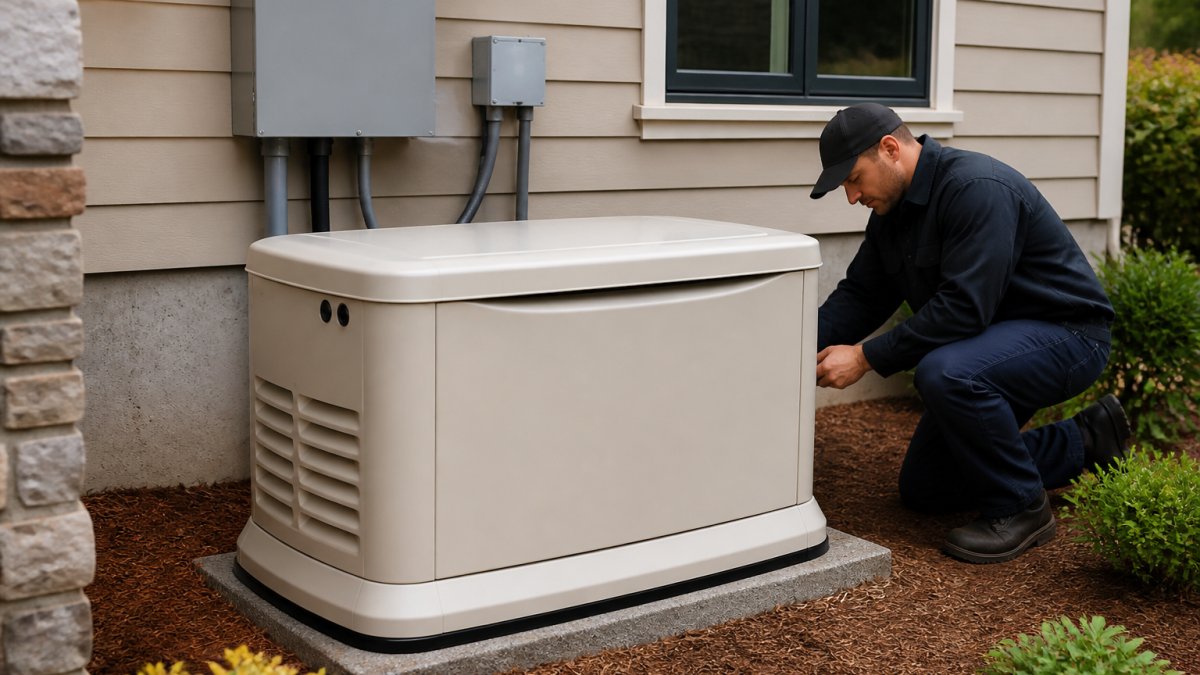
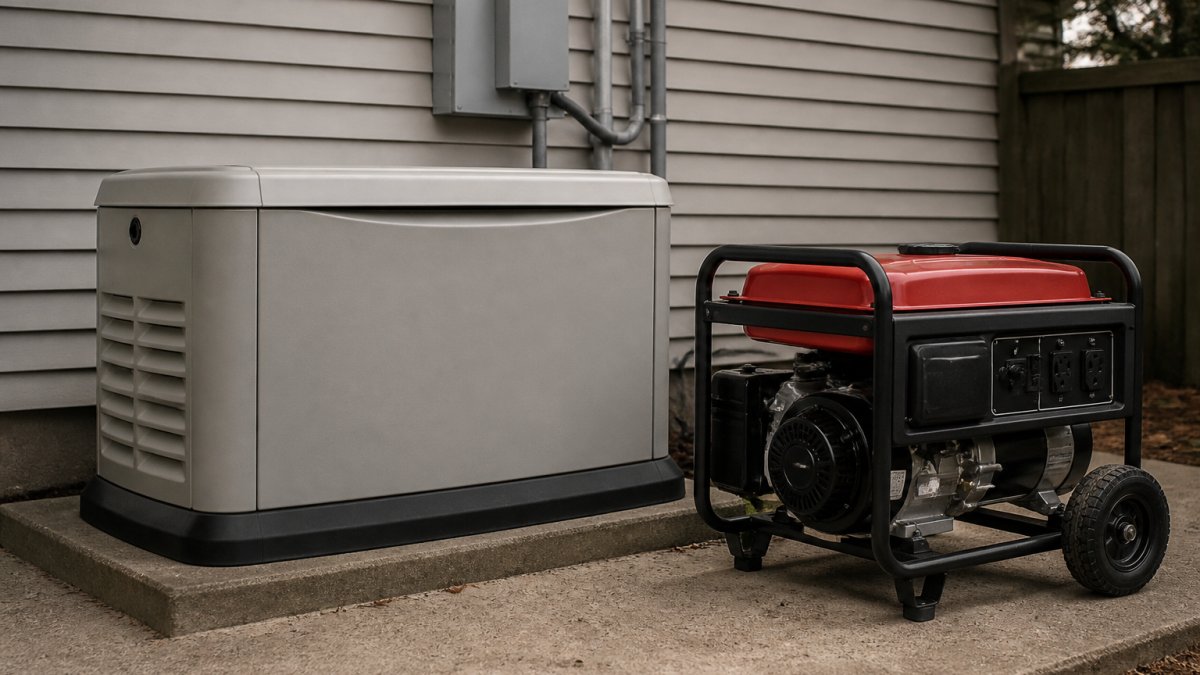
Standby generator vs portable generator pros come down to one trade-off: automatic, whole-house coverage versus low cost and flexibility. A standby generator starts itself within seconds of an outage and runs on natural gas or propane. A portable generator costs far less and can move between job sites, but you have to set it up and refuel it yourself.
At Hriczak Electrical Contracting LLC, we've installed and serviced both types across the Lehigh Valley for more than 18 years. As an authorized Generac installer, we've seen homeowners buy the wrong unit because they compared purchase price instead of total ownership. Below, we break down upfront cost, installation, sizing, safety, and long-term value so you can match the right machine to your actual outage risk.
A standby generator is a permanently installed backup power system that connects to your home's electrical panel and fuel supply, then starts automatically when utility power fails. A portable generator is a mobile unit you wheel into place, connect manually, and refuel as it runs.
The difference matters most during the first ten minutes of an outage, when a standby unit is already running and a portable one is still in the garage.
Upfront Cost and Installation Requirements
The upfront cost gap is the single biggest reason homeowners hesitate. Consumer Reports' generator buying guide notes that portable generators are much cheaper to buy and install, while Briggs & Stratton's standby generator comparison reports that standby systems start at around $5,000 including installation.
That figure covers equipment, a concrete pad, an automatic transfer switch, fuel line connection, and permit work. Portable units need none of that. You buy the unit, add a cord and maybe a manual transfer switch, and you're done.
| Factor | Standby Generator | Portable Generator |
|---|---|---|
| Installation | Professional, permitted | None or minimal |
| Fuel connection | Permanent gas or propane line | Manual refueling |
| Placement | Fixed outdoor pad | Anywhere, weather dependent |
| Startup | Automatic | Manual |
For pricing on a specific installation, request a quote rather than relying on national averages.
Standby Generator Pros and Cons
The strongest standby generator pros and cons center on convenience versus commitment. Standby units deliver automatic startup, continuous operation, and whole-house coverage during multi-day outages. The trade-offs are higher upfront cost and a permanent installation you can't take with you if you move.
Pros:
- Automatic startup within seconds, no manual intervention
- Runs on natural gas or propane with no refueling
- Powers essential appliances and critical circuits, often the whole home
- Weatherproof enclosure handles storms and heavy rain
Cons:
- Highest purchase and installation cost of any backup option
- Requires a concrete pad, fuel line, and permits
- Routine servicing is required to keep the warranty valid
Portable Generator Pros and Cons
Portability and price define the portable generator pros and cons. These units cost a fraction of a standby system, need no installation, and can power a job site, a tailgate, or a campsite on the weekend. The downsides show up fast in a real outage: manual setup, gasoline storage, and limited runtime between refuels.
Pros:
- Lowest upfront cost of any backup power option
- No installation, permits, or permanent footprint
- Mobility lets you use it for recreation and remote work
- Easy to replace or upgrade without touching your home's wiring
Cons:
- Manual startup and connection in bad weather
- Gasoline must be stored and rotated safely
- Runtime limited to fuel on hand, often under 12 hours
- Carbon monoxide risk if placed too close to the home
Honda's portable vs home standby comparison points out that portables are easier to set up and significantly less expensive, which is why they remain the default first purchase for many households.
Standby Generator Sizing for Home: A Practical Load Worksheet
Standby generator sizing for home starts with a simple rule: add up running watts for the appliances you can't live without, then add the largest starting watts once. Sizing to your essentials, not your whole panel, keeps the unit affordable without leaving you dark.
Use this worksheet. List each appliance, its running watts, and its starting watts (starting watts apply only to motor-driven loads like well pumps and refrigerators).
| Appliance | Running Watts | Starting Watts |
|---|---|---|
| Refrigerator | 700 | 2,200 |
| Furnace blower | 800 | 2,000 |
| Sump pump | 800 | 2,400 |
| Well pump | 1,000 | 3,000 |
| Sump pump (second) | 800 | 2,400 |
| Lights and outlets | 1,500 | 0 |
Add the running watts: 5,600. Add the single largest starting watts once: 3,000. Your target capacity is about 8,600 watts, so a 10 kW unit covers these critical circuits with headroom.
Portable Generator Transfer Switch: Safe Connection Options
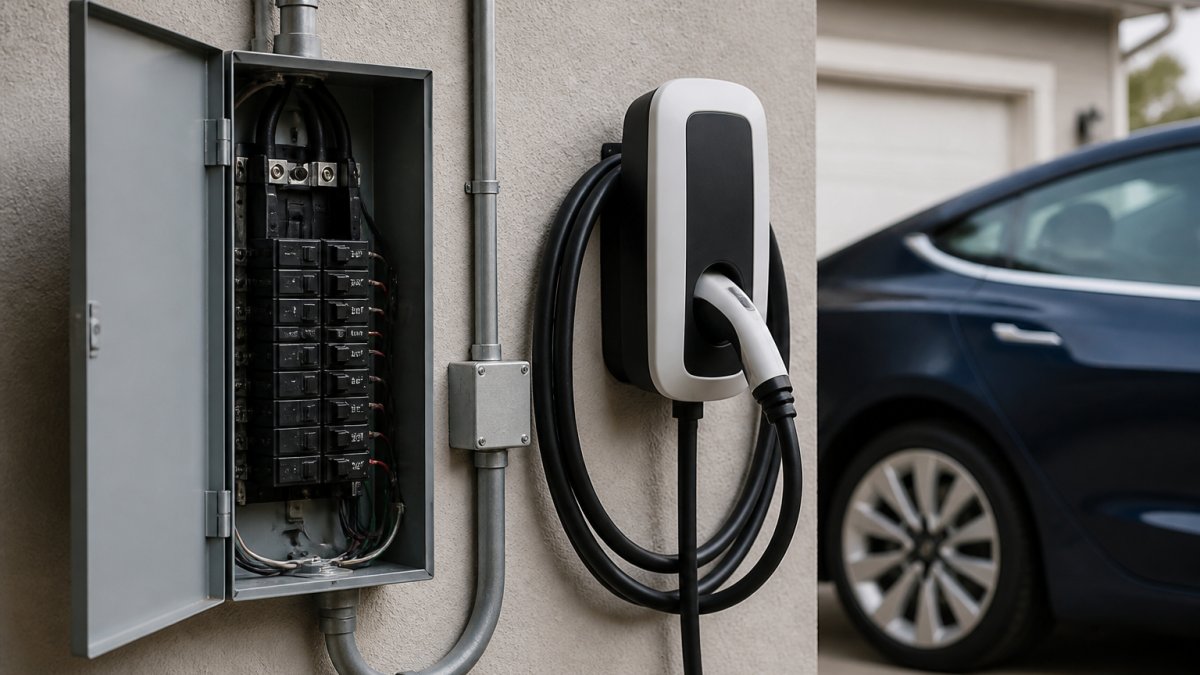
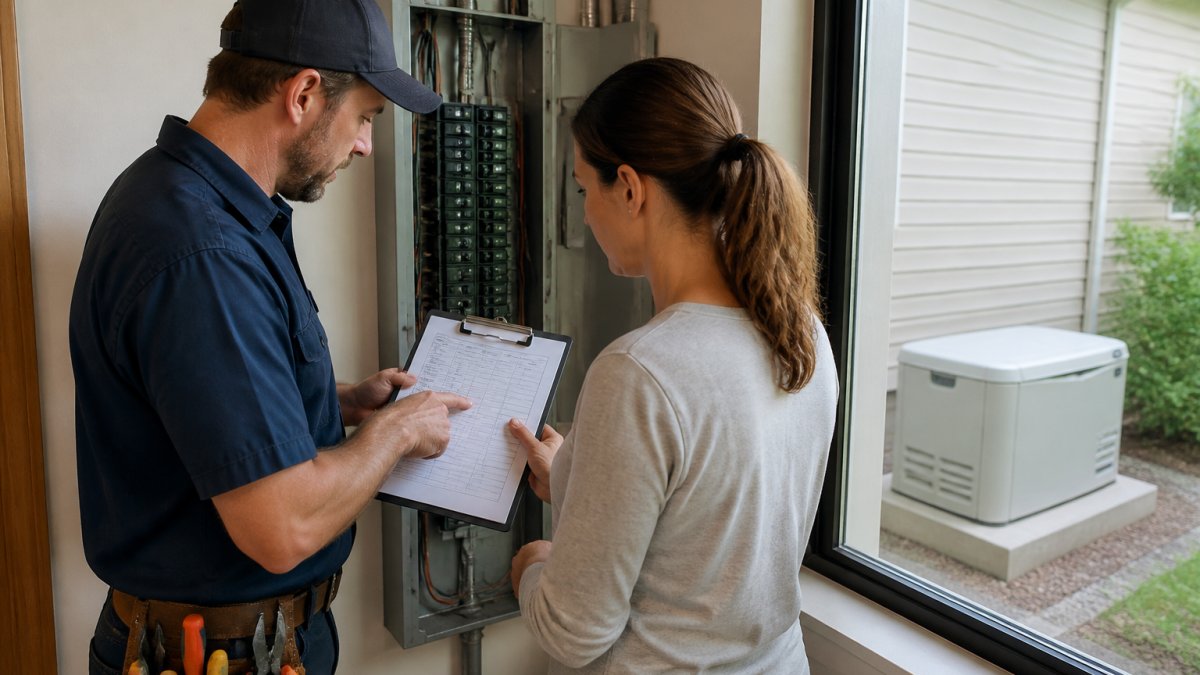
A portable generator transfer switch is the safe way to connect a portable unit to your home's wiring. It isolates your circuits from the utility line, which protects line workers and prevents backfeeding. Never plug a generator into a dryer outlet or a regular receptacle.
Three connection options exist:
- Manual transfer switch: You flip breakers by hand to power selected circuits. Lowest cost, requires you to be home.
- Interlock kit: A sliding plate prevents the main and generator breakers from being on at once. Cheaper than a full switch, still manual.
- Inlet box with cord: A dedicated outdoor inlet feeds the transfer switch. Keeps the generator outside where it belongs.
OSHA guidance on generator hazards warns that connecting a generator to a building's wiring without a proper transfer switch can energize utility lines and endanger workers.
Total Cost of Ownership Over Several Years
Total cost of ownership separates the two options more than sticker price suggests. A portable unit costs less on day one, but fuel, oil changes, and eventual replacement add up. A standby unit costs more upfront, then settles into predictable annual servicing. The honest comparison is cost per outage hour protected, not cost per unit.
Here is how the two options stack up over a five-year window. The figures below are typical ranges, not quotes; your actual numbers depend on fuel prices, outage frequency, and local labor rates.
| Cost Category | Standby Generator | Portable Generator |
|---|---|---|
| Equipment and installation | $5,000-$15,000+ | $500-$2,500 |
| Transfer equipment | Included in install | $200-$800 (manual switch or interlock) |
| Fuel | Natural gas or propane, billed monthly | Gasoline, roughly $20-$60 per outage day |
| Maintenance | $200-$500 per year (service contract) | $50-$150 per year (oil, filters, spark plugs) |
| Fuel storage and rotation | None | $50-$200 for cans and stabilizer |
| Replacement horizon | 15-20 years | 5-10 years |
A portable owner who loses power for several days each storm season will incur ongoing costs for gasoline, oil changes, and stabilizer. Over several years, these fuel and consumable costs add up. Portable units also typically have a shorter replacement horizon.
A standby owner pays for one annual service visit and nothing else, because the fuel line never runs dry and there is no gasoline to rotate. The trade-off is that the standby system is a permanent improvement to the home, which can factor into resale value in a way a portable unit cannot.
Neither option is cheap. Households that lose power once a year for a few hours rarely justify a standby system on cost alone. Households that lose power for days at a time, or that run medical equipment, usually do.
Which Generator Fits Your Outage Scenario?
Match the machine to your outage pattern, not to the brochure. Short, rare outages favor a portable generator. Long, frequent, or storm-season outages favor a standby system. But the decision gets clearer when you map three variables: outage duration, essential loads, and who will operate the equipment.
Outage duration guide:
- Outages under 4 hours, once or twice a year: Portable generator with a manual transfer switch or interlock kit. You can ride out the outage with a few extension cords and a fuel can.
- Outages of 1-3 days during storm season: Standby generator sized to essential circuits. A portable unit can work, but you will be refueling every 8-12 hours and storing gasoline between events.
- Outages longer than 3 days or recurring: Standby generator with whole-house or near-whole-house sizing. Fuel logistics for a portable become the limiting factor, not the generator itself.
- Medical equipment or a home business: Standby generator, sized to the critical loads plus headroom. A portable unit introduces a manual step that may not be safe or practical during a medical emergency.
- Rural property with a well and sump pumps: Standby generator, sized to motor starting loads. Well pumps and sump pumps draw high starting watts, and a portable unit may not have the surge capacity.
- Renter or frequent mover: Portable generator, no permanent installation. You can take it with you.
Fuel logistics matter more than capacity claims. A portable generator running on gasoline consumes roughly 0.5-1 gallon per hour at half load, depending on size. A 12-hour outage can burn 6-12 gallons. That means storing and rotating fuel, which degrades over time without stabilizer. A standby unit connected to natural gas has no refueling step at all; a propane standby unit needs a tank sized for the expected outage duration, typically 250-500 gallons for several days.
Accessibility and operation during severe weather. A portable generator must be rolled outside, started, and connected in rain, snow, or dark conditions. That is a physical task that may not be safe for every household member. A standby unit starts itself, which matters if the primary operator is traveling, ill, or asleep.
If you are still unsure, that is normal. Most homeowners do not know their outage history until they track it for a year. Write down every outage: date, duration, and what you lost. That log tells you more than any sizing chart.
Frequently Asked Questions
Is a standby generator better than a portable generator for a home?
It depends on your priorities. A standby generator starts automatically within seconds of an outage, runs on natural gas or propane, and powers your whole house without manual setup. A portable generator costs less upfront but requires manual startup, fuel storage, and outdoor placement away from windows. For frequent outages or medical equipment needs, standby wins. For occasional short outages and tight budgets, portable works well.
How big of a standby generator do I need for a 2,000-square-foot house?
The appropriate standby generator size for a 2,000-square-foot home depends on factors like heating type, air conditioning tonnage, and whether you want whole-house coverage or essential circuits only. To determine the right size, you'll need to add up the running watts for your furnace, refrigerator, well pump, sump pump, and a few lights, then add the starting watts for the largest motor. A licensed electrician can perform a load calculation to confirm the right size.
Can a portable generator power a whole house?
A portable generator can power a whole house only if its running watts and starting watts meet your total load, which usually requires a large unit and a manual transfer switch. Most homeowners instead use a portable generator to power essential appliances like a refrigerator, furnace, sump pump, and a few lights through a portable generator transfer switch, which is safer and more practical.
What are the pros and cons of standby and portable generators?
Standby generator pros include automatic startup, whole-house coverage, no refueling, and weatherproof outdoor placement. Cons include higher upfront cost, professional installation, and routine servicing. Portable generator pros include lower purchase price, portability, and no installation for basic use. Cons include manual startup, fuel storage, carbon monoxide risks, noise, and limited runtime between refueling.