 comparison
Is a Standby Generator Worth the Investment in 2026?
Table of Contents
- How to Decide if a Standby Generator Is Worth the Investment
- Standby Generator Pros and Cons for Homeowners
- Standby Generator Installation Cost: What Drives the Number
- Standby Generator vs Portable Generator: Which Fits Your Situation
- Standby Generator Maintenance Cost and Long-Term Ownership
- DIY vs Professional Installation: Risks and Realities
- Does a Standby Generator Increase Home Resale Value?
- Conclusion: Making the Call for Your Home
- Frequently Asked Questions
Last Updated: October 7, 2026
How to Decide if a Standby Generator Is Worth the Investment
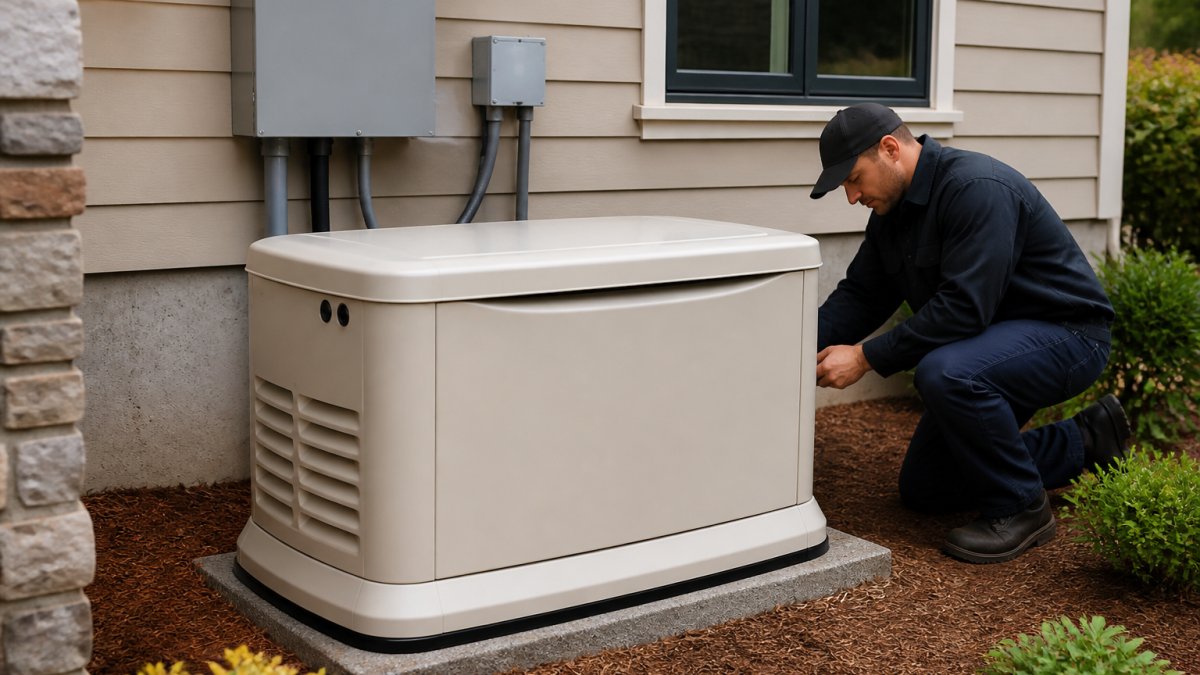
A standby generator is a permanently installed backup power system that connects to your home's electrical panel through an automatic transfer switch, starting within seconds of a grid failure. Whether it's worth the investment depends on three factors: how often you lose power, what you'd lose during an outage, and how long you plan to stay. At Hriczak Electrical Contracting LLC, we've installed and serviced these systems, and the honest answer is that a standby generator pays off for some households and not others.
The Three Questions That Decide It
How often does your power actually go out? If you lose power a few times a year for hours at a stretch, that's a different calculation than one nuisance outage every other summer. Grid reliability varies widely by location, and DOE grid reliability data tracks outage frequency across regions.
What would you lose? A sump pump that floods your basement, a refrigerator full of food, medical equipment, or a home office that can't go dark. These change the math fast.
How long will you stay? A standby generator is a long-term investment. If you're selling in two years, the payoff looks different than if you're staying for fifteen.
Standby Generator Pros and Cons for Homeowners
The clearest advantage is automatic operation. Within seconds of an outage, a standby generator powered by natural gas or liquid propane kicks on without you lifting a finger, no dragging out a portable unit, no refueling in a storm.
Pros:
- Automatic start within seconds of an outage
- Runs on natural gas or propane, so no fuel storage or refueling
- Can power critical circuits or the whole home, depending on size
Cons:
- Significant upfront cost
- Requires professional installation and permit compliance
- Needs routine preventative maintenance
Standby Generator Installation Cost: What Drives the Number
Standby generator installation cost depends on the unit's kilowatt capacity, your home's existing electrical panel, fuel source availability, and how far the generator sits from the house.
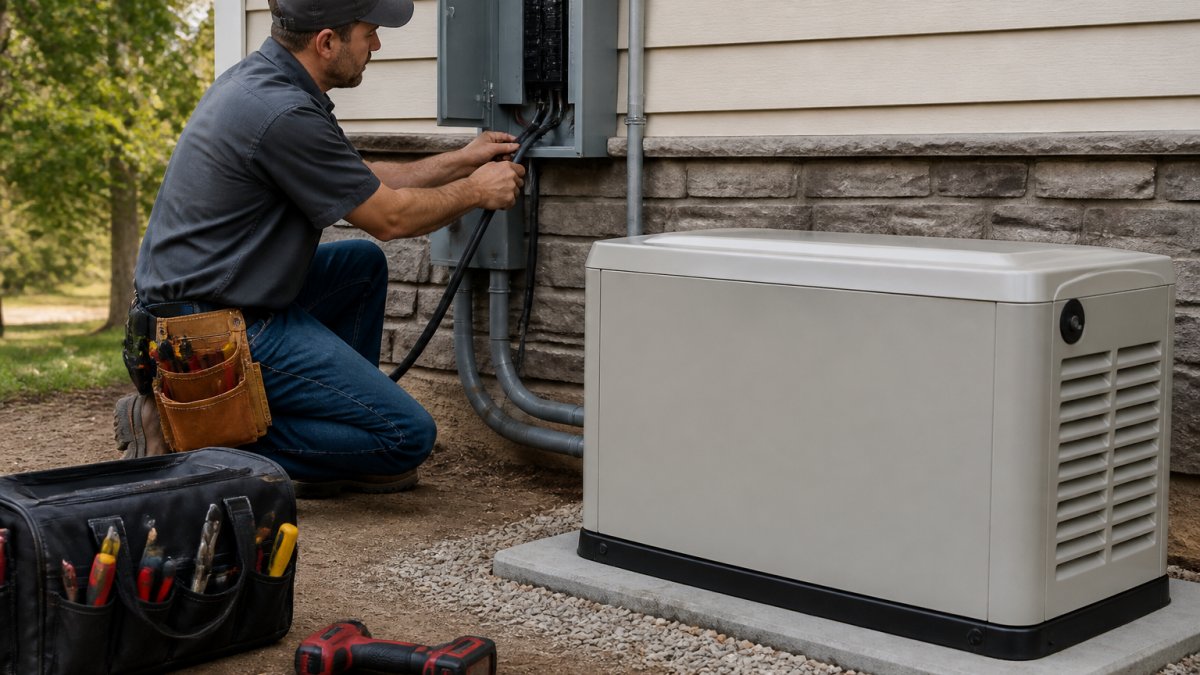
The biggest cost drivers, and how each one moves the number:
- Kilowatt capacity. A 10 kW unit backing up critical circuits costs meaningfully less than a 22 kW or 24 kW unit sized for a whole-home load. Larger units also require a larger automatic transfer switch (ATS), a separate line item, a service-entrance-rated ATS for a whole-home setup costs more than a smaller load-side ATS for a critical-circuit panel.
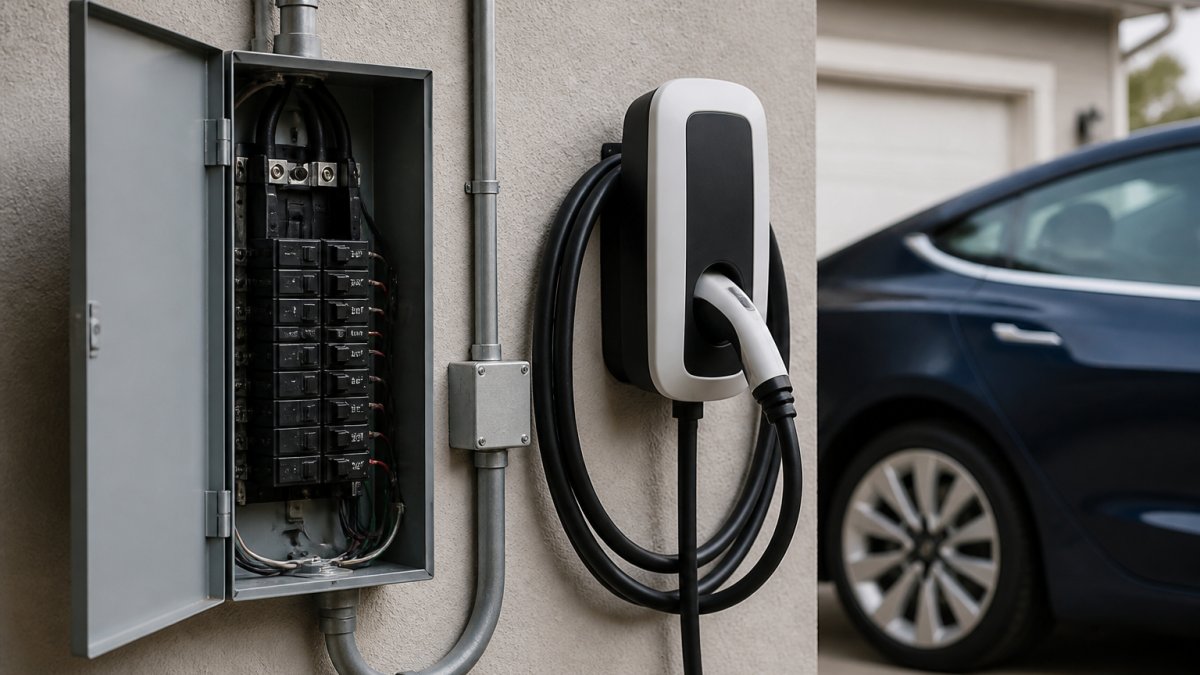
- Electrical panel condition. A modern 200-amp panel with available breaker spaces usually accepts a standby generator with minimal rework. An older 100-amp panel, a fuse box, or a panel with no spare spaces can require an upgrade or subpanel, adding material and labor. Federal Pacific and Zinsco panels are commonly flagged for replacement before a generator can be tied in.
- Fuel source. With natural gas service already at the home, the incremental cost is a gas line run and a shutoff valve. Propane adds a tank (above-ground or buried), a regulator, and a line to the generator, and tanks are typically leased or purchased separately. Natural gas is usually the lower-cost path when the meter is already there.
Permits, Inspections, and Compliance
Every standby generator installation requires permits and inspections to meet local electrical codes, and most jurisdictions also require a separate mechanical or gas permit for the fuel line. Confirm the paperwork is included in the quote rather than billed as a change order. Skipping permits can void your warranty, complicate an insurance claim, and create problems when you sell, a buyer's inspector will flag an unpermitted generator, and the fix is often removal and reinstallation.
Insurance and HOA Implications
Two things to check before you sign:
Insurance. Some carriers offer a premium discount for a permanently installed standby generator, on the theory that it prevents losses from frozen pipes, spoiled food, and sump-pump failure. Others offer nothing. The discount, when it exists, is usually modest, a small percentage of the annual premium, not a windfall. Call your agent and ask whether a standby generator qualifies, and get the answer in writing before you buy.
HOA rules. Many HOAs restrict generator placement, setbacks, and noise levels. A generator that violates the covenants can force an expensive relocation or removal, and HOA approval is usually required before the permit is issued. Read the architectural review section of your covenants, not just the summary, and submit your plan early. Noise is the most common objection, see the environmental and noise section below for the numbers.
Standby Generator vs Portable Generator: Which Fits Your Situation
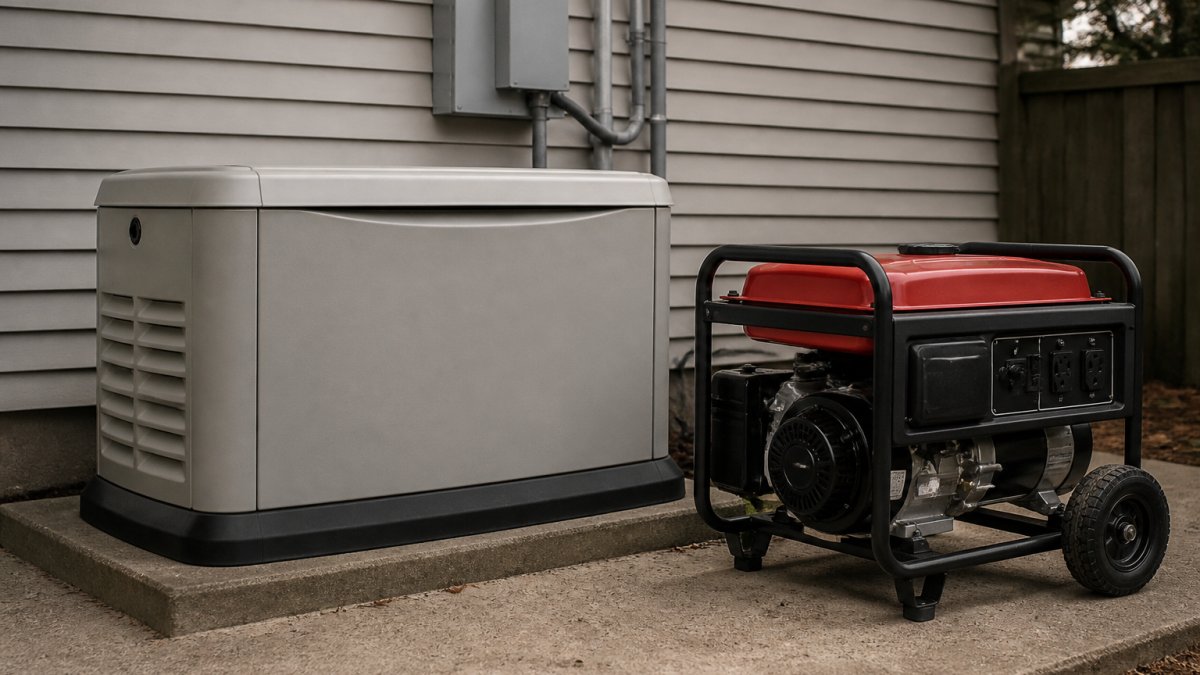
The choice between a standby generator and a portable generator comes down to convenience, capacity, and budget. A portable unit costs far less upfront and can be moved, but it requires manual setup, fuel, and won't run your whole home.
| Factor | Standby Generator | Portable Generator |
|---|---|---|
| Startup | Automatic, seconds | Manual, minutes |
| Fuel | Natural gas or propane | Gasoline or propane |
| Power scope | Whole home or critical circuits | Select appliances |
| Installation | Professional, permitted | None |
| Maintenance | Routine service required | Minimal |
| Best for | Frequent outages, long stays | Occasional use, tight budgets |
For a homeowner who loses power often and wants zero effort during an outage, a standby unit wins. For someone who needs occasional backup and wants to spend less, a portable unit makes sense.
Standby Generator Maintenance Cost and Long-Term Ownership
Standby generator maintenance cost is an ongoing expense most buyers underestimate. A standby unit needs annual servicing, routine testing, and occasional parts replacement. The honest way to evaluate the investment is not the sticker price, it's the ten-year total cost of ownership compared against the cost of the outages you're actually avoiding.
What Annual Maintenance Actually Involves
A standby generator runs a weekly self-test, typically 5 to 12 minutes, to confirm it will start under load. That weekly exercise is why the oil, filter, and battery wear out even if the unit never carries your house during a real outage. A standard annual service visit covers:
- Engine oil and oil filter change
- Air filter and spark plug replacement (on the interval the manufacturer specifies)
- Battery load test and replacement when it fails, generator batteries commonly last 3 to 5 years
An annual service contract that bundles these items is a common approach. Skipping maintenance is the fastest way to a generator that won't start when you need it, and the failure usually shows up during the first real outage, not a weekly self-test.
10-Year Total Cost of Ownership
Ten-year total cost of ownership includes far more than the purchase price. The categories to add up:
- Equipment and installation, the unit, the ATS, the pad, the fuel line, the electrical work, and permits.
- Fuel. Natural gas is metered and billed like any other gas appliance; propane is delivered and priced per gallon, and you'll want the tank topped off before storm season. Fuel cost scales with how often the generator runs under load, plus the weekly self-tests.
- Annual maintenance. Budget for a service visit every year, plus the occasional battery and minor part.
- Repairs. Air-cooled units typically have a design life of 10 to 15 years with proper maintenance; major components like the ATS controller or a stator can fail earlier. Ask what the warranty covers and for how long.
- Consumables and small parts. Spark plugs, filters, and belts are inexpensive individually but add up over a decade.
Ask your installer for a ten-year estimate that itemizes service and fuel before you commit. A quote showing only equipment and installation is not a total cost of ownership, it's a down payment on one.
The Comparison Competitors Skip: TCO vs. Cost of Doing Nothing
The question isn't whether a standby generator costs money over ten years. It's whether that ten-year number is smaller than the cost of the outages you'd otherwise absorb. Add up what a multi-day outage would cost: a flooded basement from a failed sump pump, a freezer of spoiled food, a hotel stay if the house is uninhabitable, lost work, or a medical device that needs power.
Environmental and Noise Impact
Standby generators are louder than people expect. A typical air-cooled home standby unit produces sound in the low-to-mid 60s in decibels at roughly 23 feet, comparable to a normal conversation or a running dishwasher, and noticeable at the property line, especially at night.
On emissions, standby generators are regulated as non-road spark-ignition engines by the EPA, and newer units meet progressively tighter exhaust standards.
DIY vs Professional Installation: Risks and Realities
DIY standby generator installation is not realistic for most homeowners. Connecting a generator to your home's electrical panel requires an automatic transfer switch, proper grounding, and code-compliant wiring.
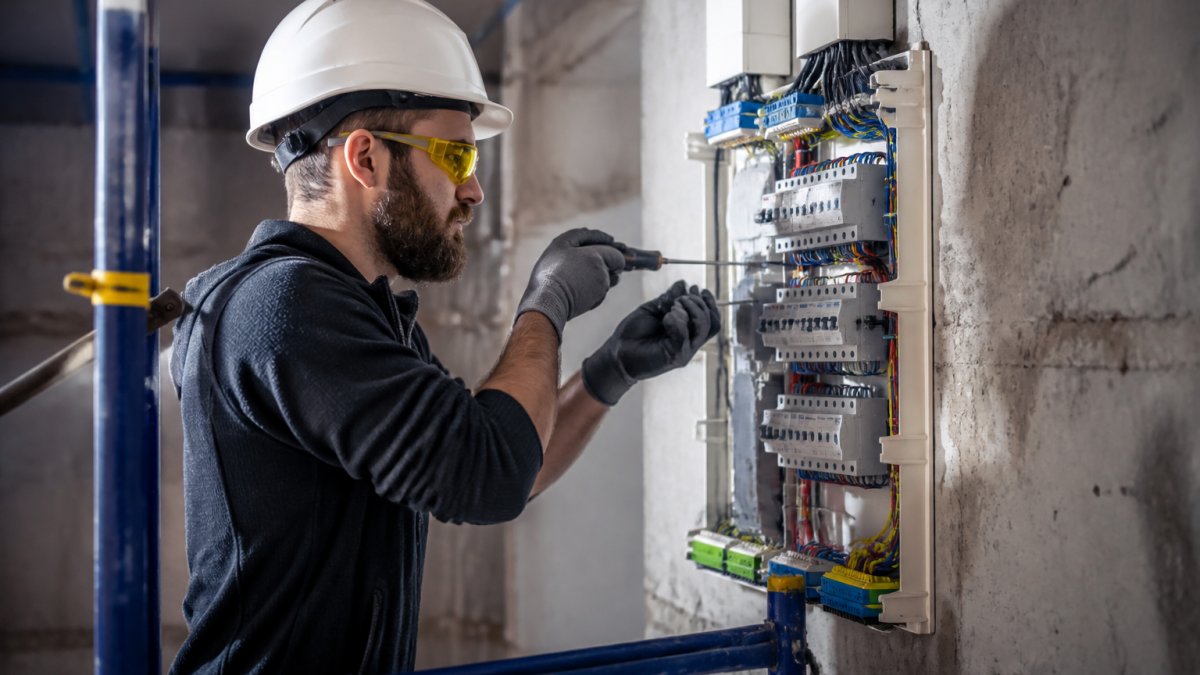
A professional electrician handles the load calculation, permit requirements, transfer switch wiring, and inspection. The cost of doing it right once is far lower than the cost of fixing a failed DIY job or a code violation.
Does a Standby Generator Increase Home Resale Value?
A standby generator can support resale value, especially in areas with unreliable grid reliability, but it rarely returns its full cost at sale. Buyers in outage-prone neighborhoods view it as a meaningful upgrade, similar to whole-home surge protection or a home automation setup. ROI is strongest when the generator is properly installed, permitted, and well maintained, with documentation ready to show a buyer.
Conclusion: Making the Call for Your Home
The decision comes down to your outage frequency, what you're protecting, and how long you'll stay. If a standby generator fits your situation, the right installation and ongoing service matter as much as the unit itself.
Hriczak Electrical Contracting LLC is an authorized Generac installer with licensed and certified electricians and over 18 years of experience. We handle load calculations, permit compliance, installation, and full-service maintenance, backed by 24-hour emergency service.
Frequently Asked Questions
What are the disadvantages of a standby generator?
Standby generators have real drawbacks. Upfront costs run several thousand dollars before installation, and you need a concrete pad, fuel connection, and automatic transfer switch. Annual maintenance costs a few hundred dollars and requires a service contract to keep the warranty valid. They run on natural gas or liquid propane, add noise to your yard, and take up space. If your area rarely loses power, the payback period stretches out considerably.
Is a standby generator better than a portable generator?
It depends on what you need. A standby generator runs automatically within seconds of an outage, powers your whole home or critical circuits, and needs no manual setup. A portable generator costs far less but requires you to be home, wheel it out, connect it, and manage fuel. For medical equipment, sump pumps, or extended outages, standby power wins. For occasional short outages and budget-conscious buyers, a portable unit is often enough.
How much does it cost to install and maintain a standby generator?
Installation costs depend on generator size, fuel source, distance from the electrical panel, and permit requirements in your area. Maintenance typically includes an annual service visit, oil and filter changes, battery checks, and testing cycle verification. Because every home is different, the most reliable way to get an accurate number is to request a quote from a licensed electrician who can assess your electrical panel, fuel supply, and placement options.
Does a standby generator increase home value?
A standby generator can support resale value, particularly in areas with frequent outages or where buyers rely on home offices and medical equipment. It does not add value the way a kitchen renovation does, but it removes a buyer objection and signals that the home is prepared for emergencies. The impact varies by neighborhood, grid reliability, and how well the installation was permitted and documented.