 How-to
What Does a Standby Generator Installation Cost in 2026?
Last Updated: November 2, 2026
Quick Summary
The average standby generator cost for installation work alone runs about $4,520, according to Angi's 2026 data, while a fully installed 14-16 kW natural gas unit typically lands between $12,300 and $21,300. Total standby generator cost usually falls between $10,000 and $25,000 depending on size, fuel type, and site difficulty.
- A whole-house generator cost installed includes the unit, transfer switch, electrical and gas connections, and permits.
- A transfer switch is essential because it isolates your home from the grid and protects line workers from backfeed.
- Many homes built before the 1990s need a panel upgrade or subpanel that quotes often bury in one electrical line.
- The contractor should pull the permit in their name, and the permit fee should be a separate quote line.
- Sizing starts with a load calculation from a licensed electrician, not a sales pitch.
Table of Contents
- What the Average Standby Generator Installation Costs in 2026
- Standby Generator Cost Factors That Move Your Quote
- Whole-House Generator Cost Installed: What the Total Includes
- Generator Transfer Switch Installation Cost and Why It Is Not Optional
- Site Preparation, Permits, and Inspection Costs
- Standby Generator Maintenance Cost Over the Long Run
- How to Size a Generator and Compare Quotes Without Guesswork
- Get a Line-Item Quote From a Licensed Generac Installer
- Frequently Asked Questions
What the Average Standby Generator Installation Costs in 2026
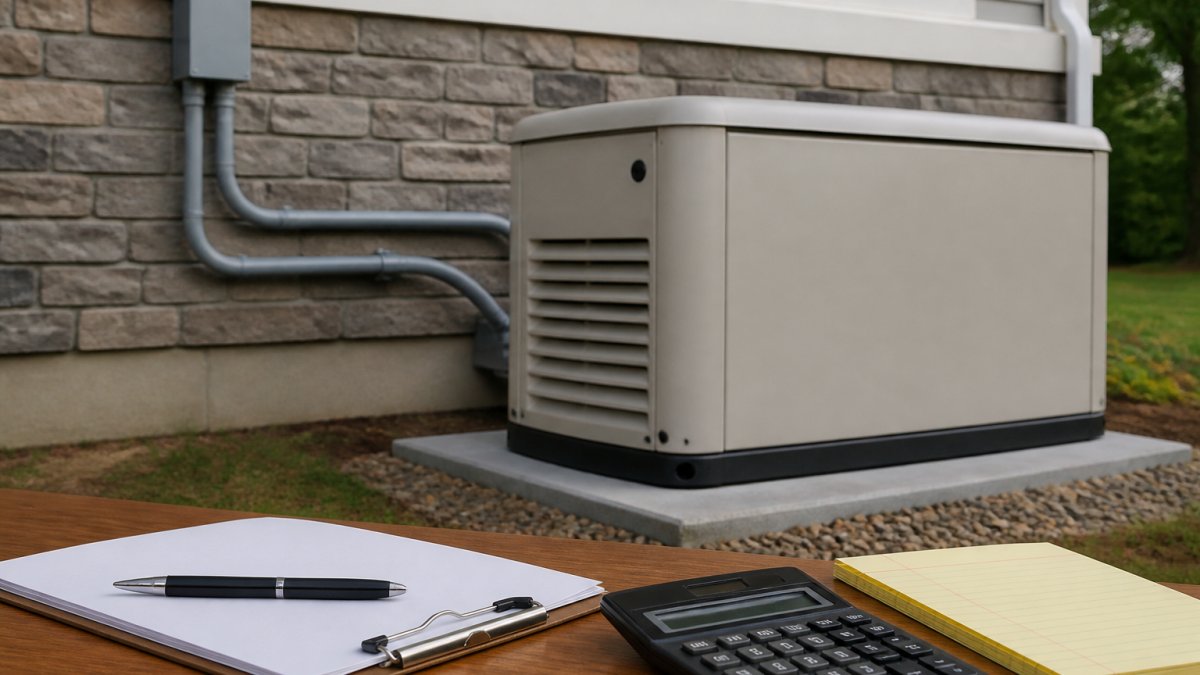
The average cost of installing a standby generator runs about $4,520 for the installation work alone, according to Angi's 2026 whole house generator cost data, while a fully installed 14-16 kW natural gas unit typically lands between $12,300 and $21,300.
Total standby generator cost usually falls somewhere between $10,000 and $25,000, per ConsumerAffairs' 2026 installation guide, depending on size, fuel type, and how difficult your property makes the job.
Below, we break down what actually drives that number, where quotes hide surprises, and how to compare bids without guessing.
| Cost Component | Typical Range | What It Covers |
|---|---|---|
| Installation labor and wiring | ~$4,520 average | Permits, assembly, placement, electrical connection |
| Equipment (14-16 kW unit) | Varies by brand and capacity | Generator, enclosure, transfer switch |
| Fully installed total | $10,000-$25,000 | Equipment plus complete installation |
If you want to understand why the labor portion is not padding, read our breakdown of why standby generators need professional installation.
Standby Generator Cost Factors That Move Your Quote
No two quotes match because no two properties match. The variables below explain most of the spread.
Generator capacity and kilowatt rating
A 20 kW generator costs more than a 10 kW unit, and the wiring, transfer switch, and gas line scale with it. Capacity is set by your home's actual power requirements, not by square footage alone. Start by listing what must run during an outage: furnace, well pump, refrigerator, sump pump, medical equipment.
Fuel source: natural gas, propane, or diesel
Natural gas is usually the cheapest to run where a meter connection exists, because there is no tank to buy or refill. Propane requires a tank and periodic delivery. Diesel delivers strong output per gallon but needs fuel storage and more attention. Fuel source affects both installed cost and operating cost per hour, so decide it early.
Whole-House Generator Cost Installed: What the Total Includes
A whole-house generator cost installed includes four things: the generator unit, the automatic transfer switch, the electrical and gas connections, and the permits and inspections. Miss any one of them in your budget and the final invoice will surprise you.

Equipment, labor, and electrical work line by line
Equipment cost covers the generator and enclosure. Labor cost covers site preparation, setting the unit on its pad, running conduit, and connecting the electrical panel. Electrical work often includes upgrading a panel that cannot handle the added load. Ask every contractor to separate these lines in writing.
Whole-home backup versus essential circuits
Whole-home backup powers everything, which demands a higher-capacity generator and a larger transfer switch. Essential circuits backup powers only selected loads and costs less. If budget is tight, essential circuits is the smarter first step. Weighing both? Our comparison of standby versus portable generator pros covers the trade-offs.
Generator Transfer Switch Installation Cost and Why It Is Not Optional
A transfer switch is an essential electrical component of a standby installation. The switch isolates your home from the utility grid before the generator energizes the panel, protecting line workers from backfeed and protecting your generator from grid surges when power returns.
What a transfer switch actually costs
Transfer switch pricing depends on amperage and on whether your existing service panel can accept it. Ask for the switch to be itemized in your quote:
| Transfer switch type | Typical service size | What drives the price |
|---|---|---|
| Essential-circuits switch | 100-200 A | Number of switched circuits, enclosure rating |
| Whole-home service-rated switch | 200 A | Service entrance rating, utility coordination |
| Service-entrance rated with load management | 200-400 A | Load-shedding modules for large HVAC and EV loads |
A 200-amp service-rated automatic transfer switch can carry the full service load for a whole-home install. A smaller essential-circuits switch limits what the generator can power.
The panel upgrade most quotes bury
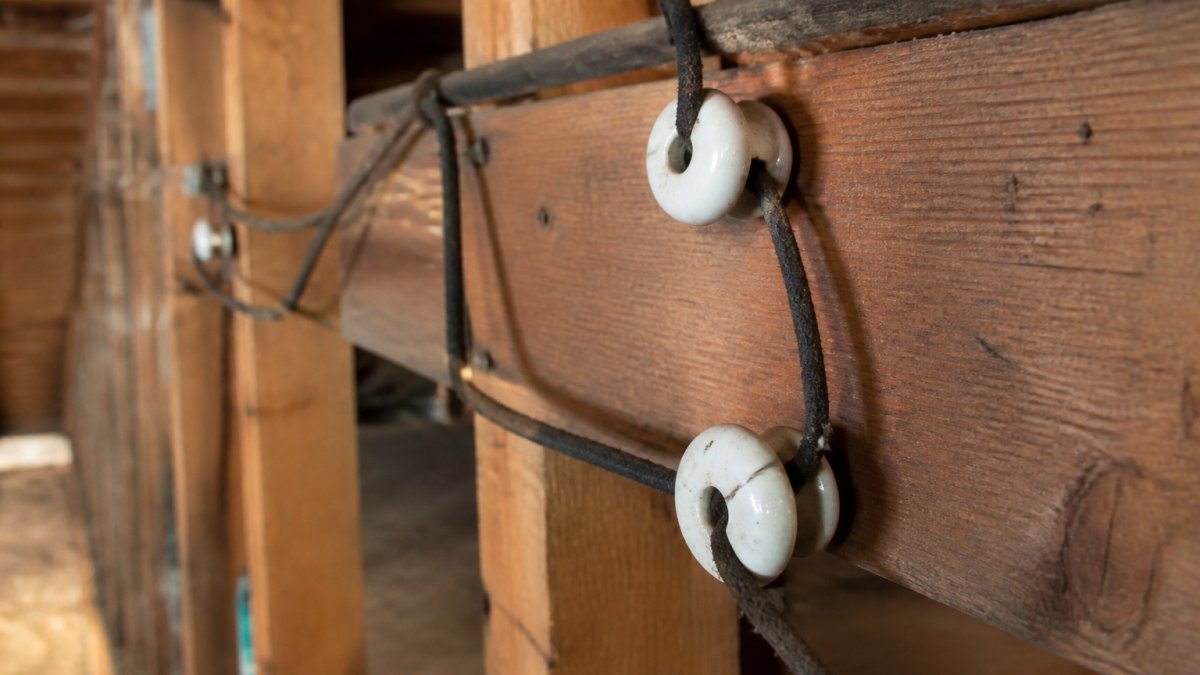
Many homes built before the 1990s have a 100-amp panel or a panel with no open breaker spaces. Adding a generator circuit and a transfer switch to a full panel forces a panel replacement or a subpanel, and that work is frequently quoted as a single "electrical" line rather than broken out. Ask specifically:
- Does the quote include a panel upgrade, subpanel, or breaker relocation?
- Is the transfer switch service-entrance rated, or does it require a separate disconnect?
- Are load-management devices included for large motor loads?
Why "we'll just backfeed" is not an option
Backfeeding a panel through a dryer outlet or a male-to-male cord bypasses the transfer switch entirely and exposes utility crews to live conductors during an outage. Installations that skip the transfer switch do not meet code requirements.
How the switch choice changes your total
The transfer switch decision is closely tied to backup coverage. Consider both configurations before you sign, because the switch and the generator capacity have to be sized together. Our comparison of standby versus portable generator pros covers the coverage trade-off in more detail.
Site Preparation, Permits, and Inspection Costs
Site preparation and permitting are the two line items most likely to appear on your final invoice but not on your first quote. They are also where a project timeline is won or lost. This section breaks both down so you can budget them and compare bids on equal footing.
Site preparation: what the ground has to do
A standby generator needs a stable, level pad, manufacturer-specified clearances from windows, doors, and combustible walls, and a clear exhaust path. Common site-prep costs include:
- Pad and footing, a pre-cast composite pad or a poured concrete pad, sized to the unit's footprint and weight.
- Elevation, the unit must sit above expected snow and flood levels; a raised pad or platform adds cost.
- Gas line routing, trenching from the meter or propane tank to the unit, plus a sediment trap and shutoff valve at the generator.
Hardscape, slope, and rocky soil are the three conditions that most often push site prep above a typical budget. Ask each contractor to walk the site and state in writing what site work is included and what would trigger a change order.
Permits: who pulls them and what they cost
Standby generator installations typically require an electrical permit and, depending on the jurisdiction, a building or mechanical permit and a gas permit. Permit requirements and fees are set locally. Two practical rules:
- The contractor should pull the permit in their name. A permit pulled by the homeowner can leave you holding the inspection risk if the work is deficient.
- The permit fee should be a separate line on the quote. If it is bundled into "labor," you cannot tell whether it was marked up.
Inspection sequence and timeline
A typical residential standby project moves through these steps, and each one can add days to the schedule:
- Permit application and review, often one to three weeks depending on the department's backlog.
- Rough-in inspection, electrical conduit, gas piping, and pad inspected before backfill or final connections.
- Final electrical and gas inspection, after the transfer switch, generator, and gas connections are complete.
Weather, equipment lead times, and inspection scheduling are the usual causes of delay. Build a two-to-four-week buffer into your expectations, and ask the contractor for their current lead time in writing.
Codes that affect cost
The adopted edition of NFPA 70 (the National Electrical Code) governs the electrical installation, and NFPA 54 (the National Fuel Gas Code) governs gas piping where adopted. Local amendments can be stricter than the model codes, for example, additional clearance from property lines or required carbon monoxide detection. For what inspectors look for, see our guide to local electrical code compliance.
The quote-comparison checklist for site and permits
When you compare bids, put these on the table next to each other:
- Site walk performed and site-prep scope stated in writing
- Permit fee listed separately, with the pulling party named
- Gas line work included or excluded, stated clearly
- Inspection and utility coordination included in the price
A bid that is silent on any of these is not cheaper, it is just incomplete. The itemized quote is the only one you can compare fairly.
Standby Generator Maintenance Cost Over the Long Run
Routine maintenance includes oil, filters, plugs, and an annual check. Over 15 years, that adds up, but so does the cost of a multi-day outage. Whether the investment pays off depends on your outage frequency and what you stand to lose. Our analysis of whether a standby generator is worth the investment walks through that math.
How to Size a Generator and Compare Quotes Without Guesswork
Sizing starts with a load calculation, not a sales pitch. Add the running watts of everything you need, then account for startup surges on motors like the furnace and well pump. A licensed electrician should perform this calculation and show it to you.
When comparing contractor quotes, check for these five items:
- Load calculation included and explained
- Equipment, labor, permits, and inspection listed separately
- Transfer switch amperage specified
- Gas line work included or excluded, stated clearly
Bring specific models to the conversation.
Get a Line-Item Quote From a Licensed Generac Installer
The hardest part of this purchase is not choosing a generator. It is trusting that the quote you sign matches the invoice you receive.
At Hriczak Electrical Contracting LLC, we are an authorized Generac installer with licensed and certified electricians and more than 18 years of experience across residential, commercial, and industrial work.
Frequently Asked Questions
How much does a whole-house standby generator cost installed?
The total cost of a standby generator depends on the unit size, fuel type, and site conditions. Ask any contractor, including Hriczak Electrical Contracting LLC, whether their quote covers equipment or labor only.
What factors affect standby generator cost the most?
Capacity affects the equipment price and the size of the transfer switch needed. Fuel source matters too, since natural gas avoids the propane tank and refill costs a rural property needs. Site conditions add labor: a long run from the generator to the electrical panel, a concrete pad, gas line work, and local permit fees all push the number up. Older homes with undersized panels often need an upgrade before anything gets wired.
Does installing a standby generator require a transfer switch?
Yes. A transfer switch disconnects your home from the utility grid before the generator takes over, which protects utility workers and prevents backfeed damage to your wiring. An automatic transfer switch is standard on whole-house systems and adds to the installed cost, but skipping it is not an option under electrical code. Manual transfer switches cost less and suit portable generators, not permanent standby units.
How much does it cost to maintain a standby generator?
Plan for annual service on top of the install price. A yearly maintenance visit typically covers an oil and filter change, spark plug inspection, battery check, and a load test. Skipping service can shorten the unit's lifespan. Ask your installer about their maintenance options.